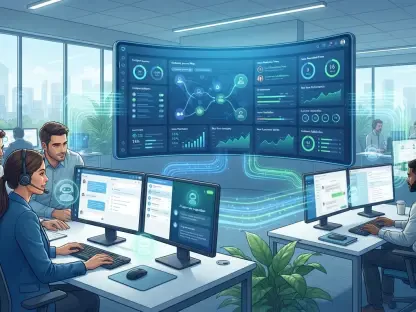

The undeniable reality for the modern American software market is that a feature-rich platform no longer guarantees a competitive advantage when the user experience feels fundamentally disconnected from the actual needs of the professional workforce. In previous development cycles, the primary
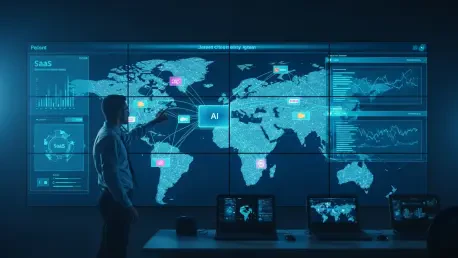
The persistent whispers suggesting that generative artificial intelligence will soon dismantle the entire software-as-a-service ecosystem ignore the historical resilience of specialized enterprise infrastructure. While social media pundits frequently predict a landscape where single, unified AI

While medical school prepares practitioners for the rigors of surgery and diagnosis, it rarely readies them for the grueling four-month administrative stalemate required to verify their own professional identity at a new facility. A world-class neurocritical care physician can find themselves
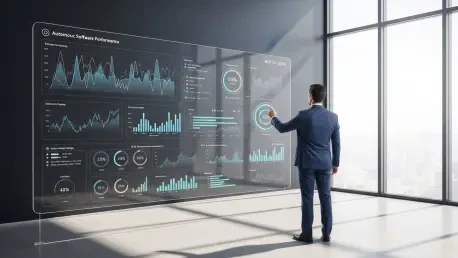
The traditional software-as-a-service landscape is currently weathering a seismic transition as the long-standing per-seat subscription model faces an existential threat from autonomous agents. For nearly two decades, the software industry operated on a simple premise: more users meant more

The conventional boundaries between conceptual ideation and technical execution have blurred significantly as artificial intelligence transforms the digital product landscape into a highly automated, intent-driven environment. This transition represents a departure from the historical reliance on

The transition from manual cloud operations to fully autonomous, AI-driven management is no longer a theoretical pursuit but a critical necessity for enterprises struggling with skyrocketing infrastructure costs. For a long period, development teams received the majority of corporate investment and