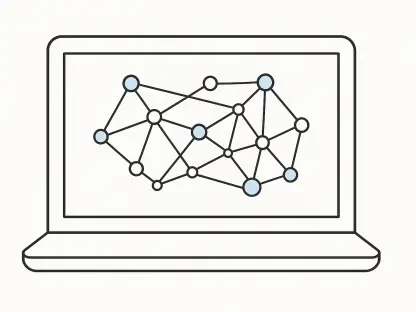

The Expansion of the SaaS Ecosystem and Emerging Risks Statistical Growth of the Digital Attack Surface Modern organizations have effectively dissolved their physical office boundaries by integrating an average of one hundred distinct SaaS applications into their daily workflows, creating a digital
The shift toward security platforms allows operations centers to respond at the speed of an attack, significantly reducing the volume of incidents. This transition is a fundamental requirement for organizations navigating a digital landscape defined by unprecedented complexity and the rapid erosion

The staggering realization that the average data breach cost has surged past $4.88 million forces modern enterprises to reconsider whether their current security perimeters are truly resilient against sophisticated, AI-driven credential harvesting attacks. In response to this volatile environment,

Digital transformation has reached a critical tipping point where the cloud is no longer a peripheral storage solution but the foundational nervous system of the global enterprise architecture. As of 2026, the reliance on distributed systems has made traditional security concepts almost entirely

The New Frontier of Unauthorized Productivity: Understanding Shadow AI Modern corporate infrastructures are currently grappling with an unprecedented surge in unapproved software adoption that bypasses traditional security protocols and places sensitive proprietary data at significant risk of

Agentic SAST vulnerability resolution transforms the developer's role from a primary investigator into a reviewer of ready-to-merge security fixes. This transition is not merely an incremental improvement in software development; it represents a fundamental paradigm shift in how highly regulated