



The traditional boundary between human creativity and software execution is undergoing a fundamental transformation as design platforms evolve into autonomous agents capable of independent thought. These systems are moving away from simple reactive tools toward proactive partners that can interpret context, select appropriate instruments, and execute complex workflows without constant manual oversight. This evolution is particularly visible in the way creative suites are now handling the final mile of productivity, bridging the gap between raw data and polished visual communication. By leveraging natural language processing, these platforms allow users to describe an entire business objective rather than a series of individual design steps. The result is a shift in professional focus, where the emphasis moves from technical proficiency in software to the strategic oversight of an automated ecosystem. This transition marks a significant milestone in how organizations approach brand consistency and visual storytelling in a rapid digital environment.
The Architecture of Autonomous Design Systems
The introduction of Canva AI 2.0 marks a technical departure from the static generation methods of the past by utilizing a layered approach to project creation. Unlike older models that produced flattened images, this new architecture generates fully editable design files where every component remains modular and adjustable by the user. This means that a prompt for a social media campaign results in a collection of distinct elements—text, icons, backgrounds, and video snippets—that can be tweaked individually to meet brand standards. Such granular control ensures that the creative output is not just a guess by the machine but a starting point for refined professional work. Moreover, the proprietary Lucid Origin image generator and the 12V video model have seen massive gains in efficiency, becoming significantly faster and more cost-effective to operate within these automated environments. This technological foundation allows the platform to handle the heavy lifting of asset generation while maintaining the high quality required.
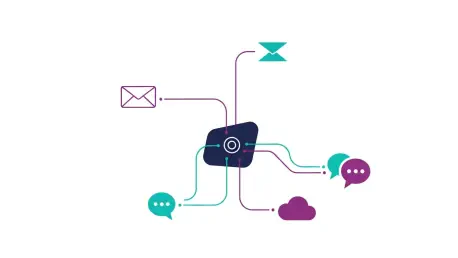
Beyond the internal design capabilities, the true power of agentic workflows lies in their ability to integrate with third-party applications like Slack, Gmail, Google Drive, and Zoom. These integrations allow the AI assistant to gather contextual information from emails and meeting transcripts to inform the visual style and content of a project automatically. For instance, an agent could analyze a transcript from a strategy session on Zoom and immediately draft a summary presentation that aligns with the specific points discussed by the participants. This level of cross-platform connectivity transforms the design tool into a central hub for business communication, where the background automation of recurring tasks becomes the new standard. By scheduling social media posts for review or conducting web research to update market reports, these agents handle the administrative burden that often stifles creative progress. This interconnectedness ensures that design work is no longer an isolated activity but a continuous part of the digital lifecycle.
Economic Impact and Industry Competition
From a commercial perspective, the pivot toward automated agents has fueled significant momentum within the enterprise sector, which is currently experiencing a doubling of its growth rate. Large organizations are increasingly seeking solutions that can democratize high-quality design while ensuring that brand guidelines are strictly followed across thousands of employees. This rapid expansion into the corporate market has solidified the platform’s position as a primary destination for media asset management and collaborative editing. While competitors like Adobe and Figma are also pursuing advanced tool-calling capabilities, the focus here remains on user-friendly deployment and seamless collaboration for non-designers. The focus on making advanced creative power accessible to every department—from human resources to sales—has changed the internal dynamics of how professional teams operate. As the market matures from 2026 to 2028, the emphasis will likely remain on reducing the time-to-market for creative assets through increasingly autonomous agents.
Organizations that successfully integrated these autonomous design agents during this period saw a dramatic reduction in the time spent on repetitive administrative tasks. The focus shifted toward training staff to act as creative directors who could refine AI-generated drafts rather than building every asset from scratch. Leaders prioritized the establishment of clear ethical guidelines and brand-specific training sets to ensure the output remained unique and legally compliant. This proactive adoption allowed businesses to respond to market trends in real-time, leveraging the web research and scheduling skills of their digital assistants to stay ahead of the competition. By moving the creative process into an agent-led framework, companies achieved a level of agility that was previously impossible. The decision to invest in these advanced tools proved to be a critical differentiator for brands looking to maintain a high volume of quality content. Ultimately, the successful deployment of these agents redefined the standard for professional productivity across the entire industry.







