
Insurance providers and regulatory bodies following NIST Zero Trust guidelines now mandate microsegmentation as a foundational requirement for cyber risk management. This shift reflects a broader industry realization that the traditional hardened perimeter is no longer sufficient to protect
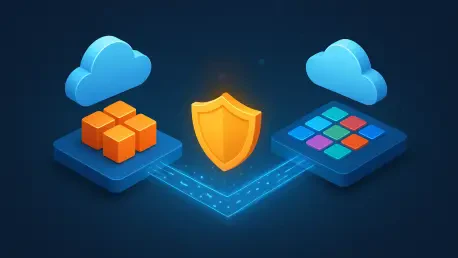
Managing multi-cloud environments has shifted from a luxury to a baseline requirement for high-availability systems, where the ability to orchestrate resources across different providers determines the resilience of a modern tech stack. Infrastructure engineers often discover that the most

Enterprise resource planning has reached a critical inflection point where the speed of data entry no longer determines success, but rather the integrity and oversight of the automated processes that drive it. For the past several years, the narrative surrounding SAP automation focused almost

The security of a core SaaS platform often depends on the integrity of third-party applications granted OAuth tokens to access sensitive customer data through interconnected APIs. This intricate web of permissions creates a landscape where traditional perimeter-based defenses no longer suffice. As

Centralizing diverse security functions like identity management and endpoint protection into a single ecosystem allows organizations to gain holistic visibility across their digital footprints. As the threat landscape evolves through 2026 and into 2027, the traditional approach of stacking

The current trajectory of the enterprise software industry suggests that merely layering artificial intelligence onto existing platforms is a temporary fix for a structural problem that requires a far more radical approach to organizational design and execution. As the market moves through this