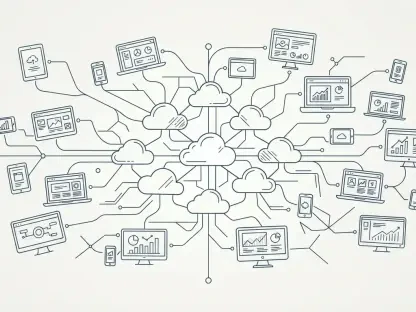

The digital infrastructure of the contemporary enterprise has transformed into a complex and often unmanageable web of independent software applications that frequently outpace the oversight capabilities of even the most sophisticated internal information technology departments. This explosion of

The rapid integration of generative artificial intelligence into the corporate landscape has created a paradox where productivity gains are often overshadowed by the looming threat of massive data exfiltration. As employees increasingly turn to large language models and automated agents to

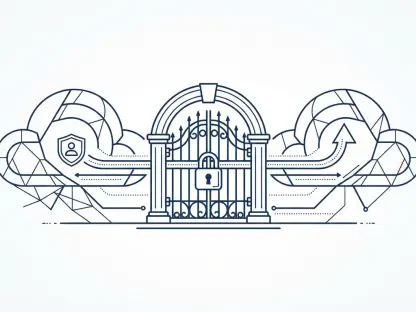
The traditional paper guestbook has long been the weakest link in facility security, but the transition toward cloud-native visitor management platforms is finally turning the front desk into a robust digital perimeter. This shift represents a significant advancement in the security and workplace

The long-standing illusion that digital convenience could permanently substitute for physical durability finally evaporated when the structural costs of maintaining the virtual world collided with the raw requirements of the material one. This shift, which culminated in the tectonic realignment of

The traditional boundaries of corporate networks have dissolved into a complex web of cloud permissions and service accounts where the primary vulnerability is no longer the code itself but the permissions granted to those who use it. This shift reflects a fundamental realignment of the
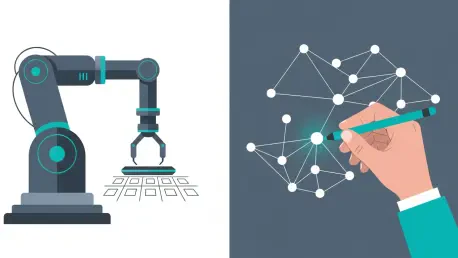
Forging a secure digital frontier for modern enterprises requires more than just checking a compliance box; it demands a deep understanding of how sophisticated attackers exploit the intricate layers of cloud-native architectures. This fundamental necessity has created a divide in the cybersecurity