Maintaining parallel environments with duplicated security controls and specialized personnel significantly increases the total cost of ownership for global enterprises. This fundamental reality is driving a seismic shift in how modern corporations approach their digital infrastructure. For years,

The industrialization of the digital extortion market has reached a critical tipping point where malicious actors no longer require sophisticated programming skills to dismantle the infrastructure of multinational corporations. This shift represents a fundamental change in the criminal underworld,
Indian technology developers have successfully dominated the global engineering landscape for decades, yet they now face a critical juncture where technical prowess alone no longer secures high-value enterprise contracts in the competitive American market. The strategic alliance between Great Demo!

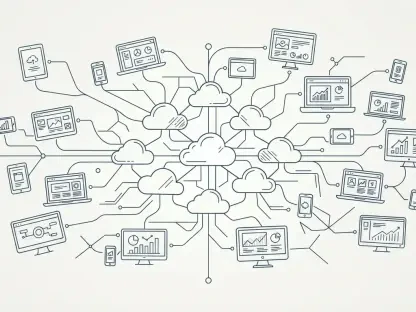
Digital transformation has reached a critical tipping point where the cloud is no longer a peripheral storage solution but the foundational nervous system of the global enterprise architecture. As of 2026, the reliance on distributed systems has made traditional security concepts almost entirely

The Rising Imperative of SaaS Security in a Cloud-First Global Economy The traditional boundaries of corporate infrastructure have effectively dissolved as organizations pivot toward decentralized cloud workflows that demand sophisticated protection beyond conventional backup solutions. This shift

The chaotic era of existential dread that once threatened to dismantle the entire foundation of enterprise software has finally given way to a disciplined period of market realignment and strategic consolidation. This transformation follows the intense volatility that defined the middle of the