


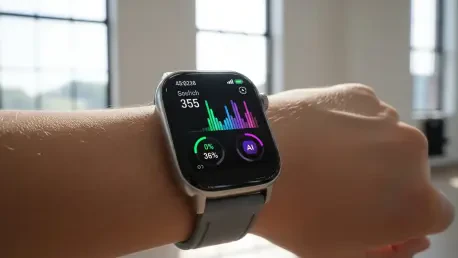

The long-awaited promise of a digital companion that actually understands the nuances of human physiology is finally being tested as Google consolidates its fitness empire into a single, AI-driven powerhouse. For years, users have toggled between disparate apps to track steps, calories, and sleep quality, often receiving a deluge of numbers without any meaningful context or direction. The launch of the Google Health Coach signifies a bold departure from this passive tracking, attempting to turn the smartphone into a sophisticated wellness advisor that interprets data rather than just displaying it.
Evaluating Google’s Pivot to AI-Driven Wellness
Assessing the Value of the Google Health Transition
The shift toward an AI-centric model represents a significant ideological change for the company. By moving away from the traditional Fitbit interface, Google is signaling that the hardware is now secondary to the intelligence driving the software. This transition aims to provide a proactive experience where the system anticipates needs rather than waiting for a user to scroll through historical charts. It is a gamble on the idea that consumers want a mentor, not just a digital ledger of their daily movements.
Solving the Problem of Fragmented Health Data
Fragmented data has long been the primary barrier to effective personal health management. A user might know they slept poorly but fail to connect it to a late-night workout or environmental allergens. The new platform seeks to bridge these gaps by funneling every metric into a centralized hub. By consolidating information from various sensors and manual inputs, the system attempts to build a comprehensive narrative of the user’s physical state, making it easier to identify patterns that were previously hidden in silos.
Deep Dive into the Google Health Coach Ecosystem
The Rebranding of Fitbit to Google Health
The disappearance of the Fitbit name from the primary app marks the end of an era and the beginning of a unified Google ecosystem. This rebranding is more than cosmetic; it integrates the legacy of Fitbit’s robust hardware with Google’s immense computational capabilities. While long-time fans might feel a sense of loss for the old brand, the integration allows for a more seamless experience across the Pixel and Android platforms, ensuring that health data is no longer a separate island but a core component of the user’s digital life.
Core Features and Gemini AI Integration
At the heart of this transformation is the Gemini AI model, which powers the conversational capabilities of the Health Coach. Unlike the static notifications of the past, this AI can answer complex questions about why a resting heart rate might be elevated or how to adjust a workout based on recent fatigue. This level of interaction turns the app into a living document that adapts its advice based on the specific context of the user’s day, providing a level of responsiveness that was previously impossible.
Personalization and the Onboarding Process
The effectiveness of any AI depends on the quality of its training data, and Google addresses this through a rigorous onboarding sequence. Users are asked to provide detailed information about their fitness goals, physical limitations, and even the specific equipment they have at home. This initial investment in data entry ensures that the AI doesn’t suggest a heavy weightlifting routine to someone recovering from a shoulder injury or a long run to someone without access to safe trails.
Hardware Synergy: Fitbit Air and Pixel Watch Integration
The software is designed to work in tandem with the latest hardware, specifically the minimalist Fitbit Air and the more robust Pixel Watch. These devices act as the primary sensors, feeding a constant stream of biometric data into the Gemini engine. The synergy between the hardware’s sensors and the software’s processing power allows for real-time adjustments, such as the watch suggesting a breathing exercise if it detects a spike in stress levels that doesn’t correspond to physical exertion.
Assessing Real-World Performance and AI Accuracy
Evaluating the Natural Language Interface
One of the most impressive aspects of the coach is its ability to understand and process natural language. Users can log their meals by simply describing them or uploading a photo, and the AI handles the nutritional breakdown. This removes the friction of manual data entry, which is often the point where many users abandon health tracking. However, while the interface is intuitive, its accuracy still relies heavily on the clarity of the user’s input, occasionally requiring follow-up clarifications for complex requests.
Effectiveness of Holistic Data Synthesis
The true power of the system lies in its ability to synthesize diverse data points into a single, actionable insight. It doesn’t just report that a user is tired; it might suggest that a combination of high pollen counts and a late-day caffeine intake resulted in lower REM sleep. This holistic approach provides a much clearer picture of well-being, though the complexity of human biology means the AI’s conclusions should still be viewed as suggestions rather than medical diagnoses.
Performance in Fitness, Sleep, and Nutrition Tracking
In daily use, the tracking capabilities remain top-tier, benefiting from years of Fitbit’s sensor refinement. The sleep tracking is particularly detailed, offering insights into sleep stages and recovery that feel more accurate than earlier iterations. The nutrition tracking, while simplified by AI, still struggles with highly processed or obscure foods, occasionally requiring manual corrections to ensure the caloric math stays on track for those with strict dietary requirements.
Impact of Environmental and Medical Data Integration
By incorporating external factors like air quality and weather, the coach adds a layer of intelligence that many competitors lack. If the local air quality index is poor, the system might recommend an indoor yoga session instead of an outdoor run. Furthermore, the ability to sync certain medical records allows the AI to provide a more informed perspective, though this feature remains limited by the readiness of various healthcare providers to share data with a tech giant.
Weighing the Advantages and Limitations
Key Strengths of an AI-Centric Wellness Advisor
The primary advantage of this new platform is the removal of cognitive load for the user. Having an AI analyze the data and provide a summary of what to do next is far more valuable than simply seeing a list of stats. The personalized nature of the advice means that the experience evolves with the user, becoming more accurate as it gathers more data over months of use. This creates a sense of partnership between the user and the technology.
Potential Weaknesses and Ecosystem Constraints
Despite its strengths, the system is currently a “walled garden,” performing best for those already invested in the Pixel or Fitbit hardware. Those using third-party trackers may find the experience less integrated or even frustrating. Additionally, the reliance on an internet connection for the Gemini AI means that some of the most advanced features are unavailable when offline, which could be a drawback for hikers or those in areas with poor connectivity.
Privacy and Data Security Considerations
Entrusting a single company with detailed biometric, nutritional, and medical data inevitably raises privacy concerns. Google has implemented various safeguards, but the sheer volume of sensitive information being processed is significant. Users must weigh the benefits of a highly personalized health coach against the potential risks of having their most intimate data stored in the cloud. Transparency regarding how this data influences other Google services remains a point of scrutiny for many.
Cost Analysis and Market Positioning
Understanding the Google Health Premium Subscription
The service carries a recurring cost that might give some users pause, positioned at a price point that reflects its premium nature. While many basic tracking features remain free, the AI-driven coaching and deeper analytical insights are locked behind the Google Health Premium tier. This puts it in direct competition with other high-end fitness subscriptions, requiring the AI to consistently prove its value to justify the ongoing expense for the average consumer.
Value for Google AI Pro and Ultra Subscribers
For those already paying for Google’s high-level AI services, the inclusion of the Health Coach adds substantial value to their existing subscription. This bundling strategy makes the ecosystem more “sticky,” encouraging users to stay within the Google fold for both their productivity and wellness needs. It positions the health coach not just as a standalone product, but as a core benefit of being a dedicated member of the Google AI community.
Comparative Analysis with Industry Competitors
When compared to rivals like Apple Health or specialized apps like Whoop, Google’s offering stands out for its conversational intelligence and data synthesis. While Apple focuses on privacy and a broad health ecosystem, Google’s strength lies in its ability to parse information and provide direct feedback. The choice between these platforms often comes down to whether a user prefers a private repository of data or an active, AI-managed health strategy.
Final Verdict: Is Google Health Coach Right for You?
Identifying the Ideal User Base
The Google Health Coach is best suited for individuals who are overwhelmed by raw data and want a clear, guided path toward their wellness goals. It appeals to those who enjoy interacting with technology and are comfortable with AI playing an active role in their daily decision-making. People who value convenience and integrated ecosystems will find the most success with this platform, especially if they are already using Android or Pixel devices.
Recommendations for Current Fitbit and Pixel Watch Users
Current owners of Fitbit or Pixel hardware should find the transition relatively painless, though they will need to adapt to the new app layout and the AI-first interface. It is worth experimenting with the premium features to see if the personalized coaching provides enough motivation to justify the cost. For those who only care about basic step counting, the free version of the app still provides excellent value without the need for an AI subscription.
Final Thoughts on the Future of Platform-Based Health coaching
The transition to Google Health Coach demonstrated that the future of wellness lies in the intelligent interpretation of data rather than the simple collection of it. By leveraging advanced language models, the platform successfully moved health tracking into a conversational era that feels more human and less clinical. This evolution suggests that future updates will likely focus on even deeper integration with medical professionals and more refined predictive capabilities. Users who adopted the system early gained a sophisticated tool for navigating personal health, setting a new standard for what a digital wellness advisor should provide in a connected world.







