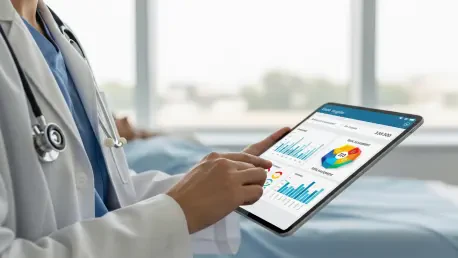

The traditional model of waiting for a patient to arrive in an emergency room with acute symptoms is rapidly becoming an artifact of the past as predictive analytics redefines the boundaries of medicine. Healthcare systems now utilize sophisticated machine learning algorithms to sift through vast oceans of historical data, finding subtle patterns that the human eye might miss during a standard clinical exam. This shift moves the entire industry from a reactive posture, where doctors respond to crises, to a proactive one, where interventions happen before a condition deteriorates. The process involves more than just software; it is a fundamental transformation of how clinical decisions are made at the bedside. By standardizing fragmented data from electronic health records and external sources, providers are able to generate risk scores that empower clinicians with actionable intelligence. This evolution represents a significant leap forward in precision medicine, turning abstract numbers into life-saving preventive strategies. Currently, in 2026, the focus has shifted entirely toward making this data intuitive and immediately useful for the entire care team.
Strategic Advantages in Modern Care Delivery
Enhancing Clinical Results and Workflow Management
The pursuit of the quadruple aim serves as a foundational pillar for integrating predictive technology into clinical workflows, specifically targeting better patient outcomes and enhanced practitioner well-being. By leveraging predictive modeling, healthcare organizations now forecast which specific patient populations are most susceptible to chronic conditions or sudden readmissions within a thirty-day window. This capability allows for the deployment of targeted interventions, such as home health visits or specialized tele-monitoring, well before a medical emergency occurs. On a broader scale, these systems are instrumental in managing population health by identifying emerging clusters of infectious diseases or lifestyle-related complications. When data suggests a rising trend in a particular geographic area, facilities can proactively distribute resources, such as vaccines or educational materials, to mitigate the impact. This level of foresight transforms the role of the hospital from a treatment center into a community health hub.
Managing the operational complexities of a modern hospital requires more than just skilled medical staff; it demands an intricate understanding of patient flow and resource utilization. Predictive tools now allow administrators to anticipate patient volumes with remarkable accuracy, accounting for seasonal trends, local events, and historical admission patterns. This foresight enables departments to optimize their staffing schedules, ensuring that enough nurses and physicians are on hand during peak periods without overextending the workforce. By reducing the frequency of understaffed shifts, these systems directly address the root causes of physician burnout and emotional exhaustion. Furthermore, by identifying potential bottlenecks in the patient discharge process, hospitals maintain a more fluid environment where beds are cleared efficiently for incoming emergencies. These improvements in operational logistics do not just save money; they enhance the safety and quality of the environment for every person entering the facility.
Driving Financial Stability and Individualized Interaction
Financial sustainability remains a critical challenge for healthcare systems globally, and predictive analytics offers a robust pathway toward fiscal health without sacrificing the quality of patient care. By pinpointing administrative inefficiencies and identifying high-cost avoidable readmissions, organizations can drastically reduce their overall operating expenses. Data-driven insights allow hospital executives to allocate budgets toward high-impact areas, such as preventive programs that reduce the long-term burden on emergency departments. For example, by identifying patients at risk for sepsis hours before traditional symptoms appear, hospitals save thousands of dollars per case while significantly improving survival rates. This shift toward value-based care ensures that financial resources are used to reward positive health outcomes rather than the volume of procedures performed. Consequently, the healthcare system becomes more resilient, allowing for continued investment in the next generation of medical technologies and specialized clinical talent.
Personalized engagement has emerged as a cornerstone of modern patient-centered care, enabled by predictive models that analyze individual behaviors and communication preferences. Instead of a one-size-fits-all approach to patient outreach, systems now tailor their interactions to meet the unique needs of each individual. For instance, if a predictive model suggests that a specific patient is likely to miss a follow-up appointment due to transportation barriers, the system can automatically trigger an offer for a telehealth alternative or a ride-sharing voucher. This level of customization extends to medication adherence, where automated reminders are sent via the patient’s preferred channel only when the system detects a high risk of non-compliance. Such targeted communication fosters a deeper sense of trust and involvement, encouraging patients to take an active role in managing their own health journeys. By meeting patients where they are, healthcare providers create a more inclusive and effective environment for long-term recovery and wellness.
The Building Blocks of Predictive Systems
Integrating Multidimensional Data and Ethical Standards
The true power of any predictive system lies in the diversity and quality of the data it consumes, moving far beyond the limited scope of traditional paper-based medical records. Modern health ecosystems integrate real-world data from a variety of sources, including IoT sensors, wearable fitness trackers, and comprehensive databases detailing social determinants of health. These determinants, such as housing stability, food security, and local air quality, provide essential context that medical history alone cannot offer. By synthesizing this multidimensional information, clinicians gain a 360-degree view of the patient, allowing them to understand the external factors that influence health outcomes. For example, a wearable device might detect early signs of a cardiac event before the patient even feels discomfort, while social data might explain why a patient is struggling with chronic stress. This holistic understanding enables a much more precise and compassionate approach to medical treatment, ensuring that every intervention is tailored to the lived reality of the patient.
As the volume of sensitive medical information continues to grow, maintaining rigorous ethical standards and absolute transparency has become a non-negotiable priority for the industry. Healthcare providers must operate within complex regulatory frameworks like HIPAA while ensuring that the algorithms used in clinical settings remain unbiased and reliable. The rise of Explainable AI is a direct response to the need for clinicians to understand the rationale behind a machine’s recommendation. If a physician cannot see the logic that led to a specific risk score, they are less likely to trust the output and act upon it. Therefore, developers are focusing on creating glass-box models that offer clear evidence for every prediction, fostering a culture of accountability. Robust data governance and end-to-end encryption are also essential components of this ethical landscape, protecting patient privacy from evolving cyber threats. By prioritizing these standards, organizations ensure that the bond of trust between the patient and the provider remains unbroken.
Establishing Future-Ready Protocols and Implementation Results
Specific technological platforms, such as the advanced suites offered by Salesforce, serve as the essential connective tissue that translates raw data into meaningful clinical actions. These platforms utilize unified data layers to aggregate information from across a hospital system, creating a single source of truth for all medical professionals involved in a patient’s care. Autonomous AI agents are then deployed to manage complex, multi-step workflows, such as the initial patient intake process, eligibility verification, and post-discharge follow-up. This automation removes much of the administrative burden from medical staff, allowing them to focus their energy on high-value clinical tasks that require a human touch. Furthermore, real-time analytics and visualization tools, such as those provided by Tableau, turn massive datasets into intuitive, easy-to-read dashboards. These visual stories highlight care gaps and predict patient lengths of stay at a glance, enabling faster and more accurate decision-making for both providers and insurance payers alike.
Healthcare leaders successfully navigated the transition to predictive systems by implementing comprehensive strategies that balanced technical innovation with human-centered care. They prioritized the development of cross-functional teams that bridged the gap between data scientists and frontline clinicians, ensuring that every analytical tool served a practical purpose. These organizations invested heavily in ongoing training programs, which allowed staff to feel confident using new risk-assessment technologies in their daily routines. Furthermore, they established clear ethical guidelines that protected patient privacy and minimized algorithmic bias across all clinical departments. By addressing social determinants of health alongside medical data, providers managed to reach vulnerable populations more effectively than in previous years. These combined efforts transformed the medical landscape into a more proactive and equitable environment where resources were allocated based on actual need. The industry moved toward a model of continuous improvement, where data-driven insights consistently informed better health outcomes.