
Vijay Raina is a distinguished expert in the SaaS landscape, known for his deep understanding of enterprise architecture and software design. With a keen eye for how technology reshapes professional productivity, he offers a unique perspective on the intersection of AI and hardware. In this discussion, we explore how wearable technology is removing the friction from professional documentation and the strategic logic of building on existing platforms. We also examine the business implications of Granola’s recent massive funding and how it positions them to lead the market in ambient meeting transcription.
Since many professionals are now opting for walking one-on-one meetings, how does the transition to a dedicated Apple Watch app change the way we capture critical data?
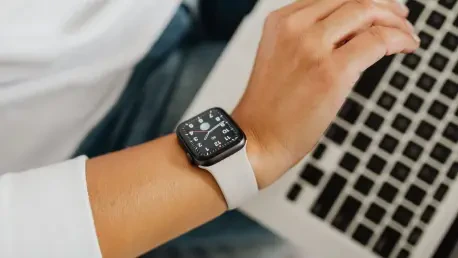
It shifts the focus from the device back to the human connection during these mobile interactions. When you are out for a walk with a colleague, pulling out a smartphone can feel disruptive and often breaks the natural flow of the conversation. By integrating the recording process into the Apple Watch, Granola allows you to keep your phone tucked away in your pocket while still ensuring every insight is logged. During internal testing, the company observed a significant chunk of mobile usage migrate from the iOS app to the Watch, proving that users crave this kind of friction-free, hands-free interaction.
With several companies exploring specialized hardware for transcription, what makes the strategy of leveraging existing wearable devices more effective for a software firm?
Developing proprietary hardware is an incredibly resource-intensive path that often leads to compatibility headaches for the end user. Granola’s co-founder, Chris Pedregal, noted that it was simply more efficient to develop for the Apple Watch rather than trying to integrate with a new, unproven hardware product at this point. This approach allows them to tap into a massive, existing user base that already understands the interface and trusts the reliability of their device. While other competitors like Monologue have also added Watch support for both online and offline modalities, Granola’s focus on the Apple ecosystem ensures a more seamless sync with their existing iOS application.
Granola recently reached a massive $125 million Series C milestone; how does this level of investment influence their roadmap compared to smaller productivity startups?
Achieving unicorn status with a round led by Index Ventures provides the financial runway to dominate the AI note-taking niche and scale their infrastructure. This capital infusion allows them to iterate rapidly, as seen with the recent launch of features that surface reminders about upcoming meetings directly on the watch face. While smaller startups might struggle to maintain high-quality transcription across different environments, Granola can afford the engineering talent to ensure their iOS and Watch apps work in perfect harmony. The $125 million investment signals a huge vote of confidence in their ability to turn casual conversations into actionable enterprise data.
What is your forecast for the future of ambient AI in the workplace?
I believe we are moving toward a reality where taking notes becomes an automated background process rather than a manual chore. As apps like Granola become more integrated into our wearables, the barrier between our physical movements and our digital records will continue to dissolve. We will see more professionals adopting a hands-free approach to productivity, relying on sophisticated transcription to capture ideas in real-time during site visits or casual strolls. Eventually, the hardware will become so secondary that we will focus entirely on the quality of the AI’s summary and its ability to predict our next steps.