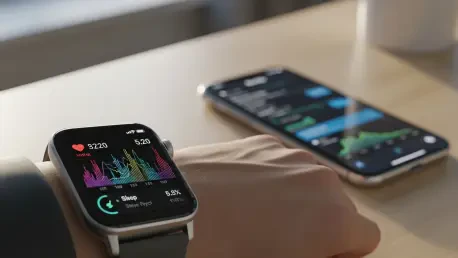

The rapid evolution of generative artificial intelligence has fundamentally altered the way individuals interact with their own physiological data, transforming static metrics into dynamic conversations about wellness. Gone are the days when a smartwatch merely provided a heart rate reading or a step count; now, ChatGPT serves as a sophisticated bridge between raw information and actionable understanding. By utilizing large language models, the technology analyzes patterns over months or years, identifying subtle shifts in sleep architecture or metabolic responses that might escape the casual observer. This shift represents a move toward hyper-personalized medicine where the user is no longer a passive recipient of data but an active participant in a continuous feedback loop. As these systems become more deeply embedded in daily life through 2026, the emphasis has transitioned from mere data collection to the synthesis of complex biological narratives. This allows for a more nuanced approach to health, where individual variability is respected and addressed through tailored suggestions rather than generic wellness advice.
Data Integration: Synthesizing Disparate Biological Information
Large language models now possess the capability to ingest vast quantities of data from multiple sources, including genetic profiles, blood work results, and real-time biometric tracking from wearable devices. This synthesis allows ChatGPT to provide a holistic view of an individual’s health status, connecting the dots between disparate variables like cortisol levels and overnight recovery scores. For instance, if a user experiences a sudden spike in resting heart rate, the AI can cross-reference this with recent diet logs, exercise intensity, or environmental stressors to offer a potential explanation. This level of integration was previously only available through high-end concierge medical services, but it is now accessible to anyone with a smartphone. By processing this information in a multimodal fashion, the technology identifies trends that might indicate an oncoming illness or the need for a recovery day. This proactive analysis shifts the paradigm from reactive care to a more preventative and predictive model of personal health management.
The personalization process is further refined through the iterative nature of the AI, which learns from user feedback and updated metrics to sharpen its recommendations over time. As users log their reactions to specific interventions, such as a change in bedtime or a new nutritional supplement, ChatGPT adjusts its internal modeling to better reflect that specific individual’s unique physiology. This creates a bespoke health companion that understands the difference between a high-performance athlete’s needs and those of someone managing a chronic condition like type 2 diabetes. The precision of these insights is enhanced by the model’s ability to incorporate current peer-reviewed research, ensuring that the guidance provided remains aligned with the latest clinical findings in 2026. This dynamic updating mechanism ensures that the health insights do not become stagnant but instead evolve alongside the user. Consequently, the interaction becomes less about asking questions and more about engaging with a system that anticipates needs based on a deep, data-driven understanding.
Clinical Collaboration: Empowering the Patient-Provider Relationship
One of the most significant impacts of ChatGPT in the healthcare sector is its ability to demystify complex clinical terminology and laboratory results for the average consumer. When a patient receives a pathology report or a summary from a specialist, the language used is often dense and inaccessible, leading to confusion or unnecessary anxiety. Generative AI acts as a professional translator, breaking down medical jargon into clear, understandable American English while maintaining the integrity of the underlying scientific data. This empowerment allows individuals to enter their doctor’s office with a clearer understanding of their situation and a list of targeted, relevant questions. Rather than replacing the physician, the technology serves to augment the clinical encounter by ensuring the patient is better informed and more engaged in their own care. This collaborative approach fosters a more efficient dialogue between patients and providers, as the initial baseline of information is established before the appointment even begins.
Moving forward, the successful adoption of these digital assistants required integrating these tools into broader public health initiatives to address systemic wellness challenges. Stakeholders recognized that for these personalized insights to reach their full potential, users had to take proactive steps in verifying AI suggestions with certified medical professionals. The most effective strategies involved individuals prioritizing data hygiene by consistently logging accurate information and carefully auditing the permissions granted to their health applications. It was essential to treat the AI as a sophisticated advisor rather than an ultimate authority, ensuring that human clinical judgment remained at the center of all major medical decisions. Educational initiatives helped the public distinguish between credible AI-driven analysis and non-validated digital noise, fostering a more literate and discerning user base. Ultimately, the synergy between advanced computation and human oversight established a roadmap for ensuring health insights were both accurate and accessible.