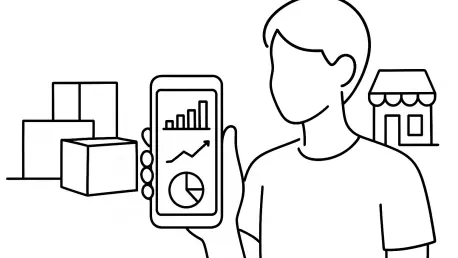

Small business owners often find themselves drowning in a sea of administrative micro-tasks that detract from their ability to innovate and grow. By integrating directly into digital channels like Instagram and Facebook, Muse eliminates the need for entrepreneurs to toggle between multiple administrative dashboards. This shift from a simple chatbot to a sophisticated commercial orchestration engine marks a pivotal moment for digital commerce. Instead of merely answering customer queries, the updated Muse agent now functions as a central nervous system for small and medium-sized enterprises. It effectively bridges the gap between front-end customer interaction and back-end logistics by pulling data from diverse sources into a single interface. This evolution reflects a broader trend where artificial intelligence moves beyond generative text toward actionable management. By reducing the friction inherent in managing multi-channel sales, the system allows local shop owners to operate with high efficiency and precision.
Comprehensive Ecosystem Integration: Streamlining Operations
Seamless Platform Connectivity: Internal and External Links
The current iteration of Muse thrives on its ability to synchronize real-time data across the entire Meta ecosystem, including Facebook Pages, Instagram professional profiles, and WhatsApp Business accounts. This deep level of integration means that an update to an inventory list on one platform is immediately reflected in the responses generated by the AI agent on another. Business leaders like Tom Mulholland of Mulholland Grocery have highlighted how the AI handles these secondary roles, allowing entrepreneurs to focus on specialized tasks like meat cutting or customer service. For instance, if a boutique sells its last handmade ceramic vase, Muse automatically updates the linked storefront data to prevent any potential overselling on Facebook Marketplace.
Beyond internal Meta properties, the software now supports enterprise-grade connectors that link directly with popular third-party accounting and e-commerce software. This allows the AI to perform complex cross-platform audits that were once the sole domain of professional bookkeepers or specialized software suites. When a business connects its external storefront, Muse can track the entire lifecycle of a customer interaction, from the initial ad click to the final invoice generation. The agent proactively flags discrepancies between recorded sales and bank deposits, providing a layer of financial security. This move toward an open-ended architecture is supported by a new partner onboarding portal, which offers custom endpoint connectors for businesses using proprietary systems.
Strategic Management: Leveraging Operational Intelligence
Operational intelligence is the cornerstone of this upgrade, enabling Muse to analyze historical brand data and client interactions to generate tailored growth strategies. Meta CEO Mark Zuckerberg positioned the project as an utilization of Meta’s unique infrastructure and advanced models to support the SMB sector effectively. The agent does not just process isolated prompts; it interprets the specific brand tone and customer preferences developed over months of operation. For example, by reviewing past successful holiday promotions, the AI can draft a comprehensive marketing plan for the upcoming quarter, complete with suggested copy and optimal posting schedules. This predictive capability allows entrepreneurs to transition from reactive management to proactive planning.
The practical application of this intelligence is perhaps most visible in the Ideas tab, a dedicated space where the agent synthesizes diverse data points into actionable insights. Here, Muse compiles drafts of correspondence for high-priority clients and suggests new product lines based on emerging trends identified within the business’s own social metrics. This feature functions as a collaborative brainstorming partner that understands the specific constraints and goals of a small enterprise. By lowering the barrier to sophisticated market analysis, Meta is democratizing access to high-end business intelligence tools. This ensures that even the smallest operations can compete in an increasingly data-driven economy by leveraging insights similar to major corporations.
Strategic Collaborations and Economic Scalability: Future Outlook
Integrated Design Tools: The Power of Collaboration
A significant advancement in the Muse ecosystem is the strategic partnership with Canva, which brings professional-grade design capabilities directly into the AI’s workflow. This collaboration allows users to pull existing brand assets, such as logos and color palettes, into conversations where the AI is helping to draft promotional content. If a business owner needs an Instagram Story to announce a flash sale, Muse can access the company’s Canva folder, select a pre-approved template, and populate it with relevant product images and text. This integration eliminates the frequent need to export files between different applications, significantly accelerating the content creation cycle. The result is a more cohesive visual identity across all digital touchpoints, as the AI ensures that every piece of content adheres to established brand guidelines.
The impact of these integrated creative tools is reflected in how quickly business concepts can be transformed into professional-grade assets. Cameron Adams, the Chief Product Officer at Canva, noted that this integration represented a significant leap toward AI agents that truly assist in daily operations. By enabling a seamless transition from a rough idea discussed in a chat thread to a finalized, editable design, the system empowered entrepreneurs to act on inspirations almost instantly. This agility was crucial in a fast-paced digital market where the ability to respond to trends in real-time is a major advantage. Furthermore, the AI’s ability to audit visual assets against social media performance metrics allowed it to suggest tweaks to designs that improved engagement rates.
Economic Scalability: Implementation and Next Steps
To accommodate a wide spectrum of business needs, Meta established a tiered economic model that balanced accessibility with high-end performance. The core features of Muse remained available at no cost, providing a solid foundation for entrepreneurs who were just beginning to automate their administrative workflows. This approach ensured that the benefits of AI-driven efficiency were not limited to those with large technology budgets, fostering an inclusive digital economy. However, for larger enterprises requiring expanded processing capacity and more frequent updates, a subscription-based tier offered enhanced capabilities to support business growth. This tiered structure allowed the platform to scale alongside a growing enterprise, providing more sophisticated tools as the complexity of the operation increased.
Successful implementation of these tools required business leaders to focus on building a resilient operational framework that prioritized human-centric tasks while delegating repetitive labor to the AI. Looking forward, it was recommended that companies conduct a thorough audit of their current digital stack to identify where Muse connectors could provide value. Organizations also established clear brand guidelines within the AI’s parameters to ensure consistency as the agent took on more roles. Maintaining a balance between automated efficiency and authentic human connection was the primary challenge for brands that viewed the AI as a strategic partner. These leaders successfully navigated the digital transformation by leveraging data-rich environments to secure their long-term relevance in the market.