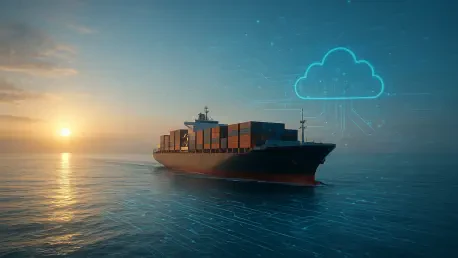

Modern shipping companies are no longer just vessel owners but are essentially data-driven logistics powerhouses navigating a sea of complex digital information and regulatory demands. The global maritime industry is currently undergoing a massive transformation, moving away from fragmented manual processes toward highly integrated digital ecosystems. This shift emphasizes the vital role of Enterprise Resource Planning (ERP) systems in modernizing both vessel operations and shore-based management. By centralizing data, these systems provide a level of operational transparency that was previously impossible to achieve with legacy tools.
The current market landscape shows a clear trend where major players are increasingly adopting cloud technology to stay competitive. BASSnet Neo has emerged as a significant catalyst in this movement, helping organizations move beyond the limitations of older web-based systems. These legacy platforms often struggle with speed and connectivity, whereas a unified digital core allows for real-time data flow across the entire fleet. This transition is not merely about software updates but represents a fundamental change in how maritime businesses approach efficiency and resource allocation.
The Evolution of Maritime Digitalization and Fleet Management
The maritime sector previously relied on isolated spreadsheets and paper-based logs, which created significant delays in communication between ships and shore offices. As the industry moved into a more connected era, the need for a single source of truth became apparent. Modern ERP solutions now serve as the backbone of fleet management, integrating everything from maintenance schedules to financial reporting. This integration ensures that every stakeholder has access to the same information, reducing the likelihood of errors and miscommunication.
In the current market, the push for transparency is driven by both economic necessity and environmental accountability. Cloud technology has become the standard for achieving this, as it allows for seamless updates and global accessibility. BASSnet Neo stands at the forefront of this evolution, offering a platform that was built to handle the complexities of modern shipping. By eliminating the friction associated with legacy systems, it enables managers to focus on strategic decision-making rather than troubleshooting software issues.
Driving the Future of Shipping Through Cloud-Native Innovation
Emerging Technological Trends and the Shift to SaaS Models
The transition from traditional on-premise software to cloud-native Software as a Service (SaaS) suites is redefining the technological baseline for the industry. Advanced tools powered by artificial intelligence, such as OCR-based invoice processing and intelligent search, are significantly reducing the administrative burden on office staff. These innovations allow for the automation of repetitive tasks, which improves overall efficiency. Furthermore, the rise of mobile-first solutions ensures that crew members can perform audits and report risks in real-time, even when working offline in remote locations.
Consumer behavior among ship owners is also shifting toward a preference for end-to-end managed hosting and security. Managers want to ensure that their data is protected without having to manage complex IT infrastructure themselves. This trend favors platforms that offer a complete package of services, including continuous updates and high-level cybersecurity. By adopting a SaaS model, shipping companies can ensure they are always using the latest version of the software, which is critical for maintaining a competitive edge in a rapidly changing market.
Market Growth Projections and Performance Indicators
There is a growing demand for integrated fleet management platforms as companies look for ways to optimize their operations from 2026 to 2028 and beyond. Automated workflows are expected to play a major role in reducing long-term operating expenses by minimizing human error and streamlining procurement. Data-driven insights are also becoming more valuable, particularly when it comes to financial accuracy. Centralized materials management allows for better tracking of inventory, which prevents overstocking and reduces waste.
Performance indicators now focus heavily on how well a platform can integrate different business functions. The use of three-way matching for purchase orders, receipts, and invoices provides a level of financial control that was previously difficult to maintain. As the market continues to expand, the ability to demonstrate clear cost savings through software implementation will be a key differentiator for maritime ERP providers. Organizations that embrace these data-centric models are better positioned to handle the volatility of the global economy.
Navigating the Obstacles of Legacy Systems and IT Complexity
One of the biggest risks facing shipping companies today is the continued use of pseudo-cloud legacy systems. These platforms are often just older software adapted for a browser, resulting in high maintenance overhead and slow innovation cycles. Such systems cannot provide the agility needed to respond to modern market demands. Moreover, cybersecurity remains a critical challenge in a hyper-connected environment, and outdated software is often the weakest link in a company’s defense strategy.
To overcome these challenges, companies are moving toward unified modules for maintenance, procurement, and HSEQ. This strategy eliminates data silos and ensures that information flows freely between different departments. Handling complex projects like dry-docking also becomes much simpler when using dedicated, collaborative applications. By reducing IT complexity and focusing on a single, purpose-built platform, managers can mitigate the risks associated with fragmented data and improve the overall reliability of their fleet operations.
Aligning Fleet Operations with Global Regulatory Frameworks
Compliance with international standards is no longer optional in the maritime world. The alignment of maintenance modules with ISO 55001 standards is a clear example of how software can help achieve asset management excellence. Following these frameworks ensures that vessels are maintained to the highest standards, which reduces the risk of mechanical failure and extends the life of the asset. Standardized document control also plays a vital role in ensuring that the fleet is always ready for audits and inspections.
Navigating the landscape of maritime safety and environmental regulations requires a robust HSEQ system. These modules allow companies to track incidents, manage risks, and ensure that all environmental protocols are being followed. Security measures and data sovereignty are also top priorities in managed SaaS environments. By protecting sensitive maritime data and ensuring compliance with regional laws, these platforms provide peace of mind to ship owners who are operating in an increasingly regulated global market.
The Horizon of Intelligent Fleet Management and AI Readiness
Artificial intelligence and machine learning are set to disrupt the industry by enabling predictive maintenance and fuel optimization. These technologies can analyze vast amounts of data to identify patterns that human operators might miss. The potential for autonomous shipping support and the deeper integration of Internet of Ships (IoS) technologies also represent major growth areas. A purpose-built cloud architecture is essential for facilitating the seamless scaling required to handle these new data streams effectively.
Future software development will be heavily influenced by global economic conditions and green shipping initiatives. As the industry moves toward zero-emission targets, software must adapt to track fuel consumption and emissions more accurately. Preparing for this data-driven future requires a platform that is inherently flexible and ready for AI integration. Shipping companies that invest in scalable solutions now will be the ones that thrive as the industry continues to evolve and embrace more advanced technological capabilities.
Strategic Outlook: Achieving Operational Excellence with BASSnet Neo
The maritime industry recognized that yesterday’s manual processes could not sustain tomorrow’s needs. Investing in BASSnet Neo offered a clear route toward operational maturity. Decision makers prioritized systems that allowed for rapid scaling and AI integration. This transition marked a definitive end to the era of fragmented maritime management. Stakeholders successfully reduced their IT burden by moving to managed SaaS environments that handled security and updates automatically.
Companies that embraced this unified approach saw immediate improvements in stock accuracy and financial transparency. The implementation of three-way matching and standardized document control provided a solid foundation for regulatory compliance. Furthermore, the adoption of mobile-first tools empowered the crew to manage risks and audits more effectively. These strategic investments ensured that fleet operations remained resilient and ready for the challenges of a data-centric world.