
Charting a Risk-Aware Course for Digital Transformation in Middle Eastern Education
The rapid evolution of global educational standards has made the modernization of higher education in the Middle East and Africa a strategic necessity rather than an optional technological upgrade for growing institutions. In the current landscape of 2026, universities across the United Arab Emirates, Qatar, and Saudi Arabia face increasing pressure to provide seamless digital experiences that match the expectations of a tech-savvy student population. While the potential for innovation through Software as a Service is clear, many regional leaders remain cautious about the complexities involved in departing from long-standing on-premises infrastructures that have served as the backbone of their operations for decades.
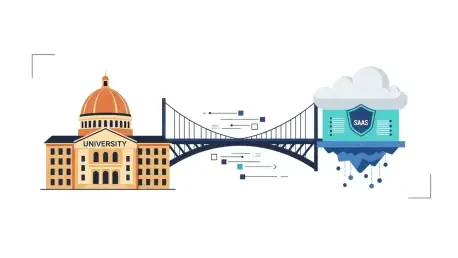
Adopting a risk-aware mindset allows these institutions to navigate the transition without compromising the stability of their academic and administrative functions. Instead of viewing digital transformation as a singular, disruptive event, successful universities treat it as a continuous evolution that respects the unique cultural and operational context of the region. This article provides a structured guide for moving toward the cloud incrementally, ensuring that every step taken adds measurable value to the student journey while maintaining the integrity of sensitive institutional data.
By following a phased approach, universities can mitigate the traditional risks associated with large-scale technology overhauls. This strategy prioritizes flexibility and resilience, allowing IT departments to address specific pain points such as enrollment bottlenecks or fragmented student records before committing to a full-system replacement. Ultimately, this journey is about empowering educators and administrators with tools that are as agile and forward-thinking as the students they serve, positioning the region as a global hub for educational excellence.
Why Modernization Is a Strategic Imperative for the GCC and Greater Middle East
Governments throughout the Gulf Cooperation Council have identified higher education as a cornerstone of their national visions for economic diversification and long-term sustainability. As these nations transition toward knowledge-based economies, universities must evolve into hubs of innovation that can quickly adapt to changing market demands. However, many institutions are still weighed down by aging, on-premises systems that require significant manual intervention and offer little in the way of real-time data analysis or mobile accessibility for students and faculty.
The hesitation to modernize often centers on concerns regarding data sovereignty and the potential for operational downtime during critical periods like the admissions cycle. While these concerns are valid, the cost of inaction is becoming increasingly high as legacy systems struggle to integrate with modern educational tools or defend against sophisticated cybersecurity threats. Shifting to a SaaS model enables universities to outsource the burden of server maintenance and security patches to specialized providers, thereby freeing up internal resources to focus on academic quality and student retention strategies.
Moreover, the transition to cloud-based environments aligns institutional capabilities with the ambitious goals of regional economic policies. By embracing modern software architectures, MEA universities can leverage advanced analytics to predict student success and personalize learning pathways. This level of agility is essential for institutions that wish to remain competitive on the global stage, as it allows them to respond to new regulatory requirements and educational trends with unprecedented speed and precision.
A Seven-Step Roadmap for Sustainable SaaS Adoption
Step 1: Defining a Clear Vision and Governance Framework
A successful modernization effort must begin with a clear understanding of the overarching goals and the establishment of a robust governance structure. Digital transformation is far more than a simple IT project; it is a fundamental business strategy that requires the active participation and endorsement of senior leadership. Without a unified vision, technological changes can become fragmented, leading to inconsistent user experiences and wasted resources across various campus departments.
Aligning Technology Decisions with Institutional KPIs
Technology should always serve as a vehicle for achieving broader institutional objectives, such as increasing graduation rates or expanding research output. By identifying specific key performance indicators early in the process, universities can ensure that every SaaS module selected directly contributes to these metrics. This alignment helps justify the investment to stakeholders and provides a clear benchmark for measuring the success of the transformation over the coming years.
Establishing Multi-Departmental Accountability for Decision-Making
Effective governance requires a cross-functional team that includes representatives from admissions, finance, faculty, and student services. This collaborative approach ensures that the needs of all users are considered and that no single department inadvertently creates a siloed environment. By fostering a sense of collective ownership, the university can streamline the decision-making process and ensure that the chosen SaaS solutions are integrated seamlessly into the daily workflows of the entire campus.
Step 2: Auditing the Current Technology Landscape and Workflows
Before any new software is implemented, an institution must conduct a thorough evaluation of its existing systems and the manual processes that currently sustain them. This audit serves to uncover the complexities and hidden costs of maintaining legacy infrastructure, which often include custom-built integrations that are difficult to update. Understanding the starting point is essential for creating a realistic migration plan that avoids repeating the mistakes of the past.
Identifying Hidden Inefficiencies in Legacy Environments
Many universities rely on undocumented workarounds and spreadsheets to bridge the gaps between disconnected on-premises applications. These manual processes are not only prone to error but also consume valuable staff time that could be spent on more meaningful interactions with students. By documenting these inefficiencies, the audit highlights the specific areas where SaaS automation can provide the most immediate and significant impact on operational productivity.
Mapping Data Interdependencies Across Campus Departments
Data rarely lives in a single location; it flows between various systems for recruitment, financial aid, and registrar functions. Mapping these interdependencies allows the institution to understand how a change in one area will affect the rest of the ecosystem. This foresight is critical for maintaining data integrity during the migration process and ensures that the new cloud environment is designed with a holistic view of the student lifecycle in mind.
Step 3: Simplifying and Standardizing Core Business Processes
Modernization provides a unique opportunity to rethink how the university operates and to shed unnecessary complexities that have accumulated over time. The most successful SaaS migrations avoid the temptation to customize the new software to match outdated workflows. Instead, they leverage the built-in best practices of modern platforms to achieve greater efficiency and consistency across all administrative functions.
Moving Away from Excessive System Customizations
Over-customizing software creates significant technical debt and makes future upgrades both difficult and expensive. By adopting the standard features of a SaaS platform, universities can benefit from continuous updates and new features without the risk of breaking custom code. This shift toward configuration rather than customization ensures that the institution remains on the latest version of the software, benefiting from the ongoing innovation of the provider.
Improving Administrative Consistency Through Standardized Workflows
Standardizing processes across different colleges and departments reduces confusion for both staff and students. When every department follows the same procedures for tasks like grade submission or budget approvals, the university achieves a higher level of transparency and reliability. These standardized workflows also make it easier to train new employees and ensure that the institution can scale its operations without a proportional increase in administrative overhead.
Step 4: Strengthening Data Integrity and Integration Foundations
The effectiveness of any modern software platform is entirely dependent on the quality of the data it processes. Universities must treat data cleansing as a high-priority prerequisite for migration to ensure that the new SaaS environment provides a reliable foundation for decision-making. High-quality data enables more accurate reporting and allows the institution to take full advantage of advanced analytics and artificial intelligence.
Prioritizing Data Cleansing and Validation Before Migration
Migrating inaccurate or redundant data into a new system only migrates existing problems to a more expensive environment. Institutions should dedicate time to identifying duplicate records, correcting formatting errors, and archiving obsolete information before the transition begins. This rigorous validation process ensures that the first day of operation in the cloud is characterized by accurate student profiles and trustworthy financial records.
Leveraging Modern APIs to Connect Disconnected Systems
Modern SaaS platforms utilize Application Programming Interfaces to facilitate the seamless exchange of information between different tools. Moving away from rigid, point-to-point integrations allows the university to build a more flexible ecosystem where new applications can be added or replaced with minimal disruption. This API-first approach ensures that data remains synchronized across the campus, providing a single source of truth for all stakeholders.
Step 5: Modernizing Through a Phased SaaS Implementation
A phased implementation strategy allows an institution to transition to the cloud in manageable stages, reducing the pressure on IT teams and the broader university community. By selecting specific functional areas for the initial rollout, the university can demonstrate quick wins and build institutional confidence in the new technology. This incremental approach also provides the flexibility to adjust the project plan based on lessons learned during the early stages.
Selecting High-Impact Pilot Areas to Build Institutional Confidence
Starting with a department that is eager for change or a process that is currently causing significant frustration can generate positive momentum for the entire transformation. Whether it is a new mobile-friendly admissions portal or an automated financial aid system, these early successes serve as a proof of concept for the rest of the organization. As staff members see the tangible benefits of the SaaS model, resistance to change tends to diminish, making subsequent phases much smoother.
Timing Transitions to Align with the Academic Calendar
The rhythm of university life is governed by strict deadlines for registration, exams, and graduation. It is essential to schedule major system transitions during periods of relatively low activity to minimize the impact on students and faculty. A phased approach allows the institution to time the migration of specific modules so that they do not conflict with these critical milestones, ensuring that the primary mission of teaching and learning is never interrupted.
Step 6: Driving Institutional Change and User Adoption
Technology alone cannot transform a university; the success of the project depends on the willingness of people to embrace new ways of working. Comprehensive change management strategies are necessary to help faculty and staff transition from familiar legacy systems to modern, cloud-based tools. By addressing the human element of digital transformation, the institution can ensure that the investment in SaaS leads to actual improvements in performance.
Providing Role-Based Training for Staff and Faculty
Generic training sessions are often ineffective because they do not address the specific tasks that different users perform daily. Instead, universities should offer tailored training programs that focus on the unique needs of different roles, such as academic advisors, financial officers, or department chairs. Providing hands-on experience in a safe environment allows users to build confidence and proficiency before the system goes live across the campus.
Communicating the “Why” to Reduce Internal Resistance
Clear and frequent communication is vital for managing the expectations of the university community throughout the modernization journey. Leaders should articulate the reasons for the change, emphasizing the benefits such as reduced manual work, better data access, and an improved experience for students. When people understand the strategic purpose behind the transition, they are more likely to support the effort and contribute to its long-term success.
Step 7: Executing Continuous Optimization and Expansion
The move to SaaS is not a destination but the beginning of a new era of continuous improvement. Unlike on-premises systems that remained static for years, cloud platforms are updated regularly with new features and enhancements. This model allows the university to constantly refine its processes and adopt emerging technologies as they become available, ensuring that the digital environment remains relevant and effective.
Refining Workflows Based on Real-World Performance Data
Once the new system is in place, the university can use the data generated by the platform to identify further opportunities for optimization. Monitoring how users interact with the software can reveal remaining bottlenecks or areas where additional training might be needed. This data-driven approach to process improvement ensures that the university continues to gain value from the SaaS platform long after the initial implementation is complete.
Scaling New Capabilities to Create a Fully Connected Campus
As the institution becomes more comfortable with the SaaS model, it can expand its digital footprint to include more advanced capabilities such as AI-driven student support or personalized learning analytics. These innovations contribute to the vision of a “connected campus” where every interaction is informed by data and every department is aligned toward student success. This ongoing expansion ensures that the university remains at the forefront of educational technology in the MEA region.
Key Takeaways for a Successful Transition to the Cloud
- Strategy precedes technology: Every software decision must be rooted in the long-term goals and specific key performance indicators of the institution.
- Operational continuity is paramount: A phased implementation prevents the disruptions associated with traditional all-at-once migrations.
- Data quality is the foundation: Cleansing and validating information before moving to the cloud is essential for achieving reliable insights.
- Process standardization reduces debt: Embracing the out-of-the-box features of SaaS platforms minimizes the need for costly and complex customizations.
- People drive the transformation: Investing in change management and role-based training is critical for ensuring high user adoption and satisfaction.
The Broader Impact of SaaS on the Future of the Connected Campus
Modernizing with SaaS represents a fundamental shift in how universities in the Middle East and Africa manage their most valuable assets: their data and their people. This transition enables institutions to break down the traditional barriers between departments, creating a more cohesive and responsive administrative environment. As data flows more freely through modern APIs, leadership gains a 360-degree view of the student experience, allowing for more proactive interventions and better-informed strategic planning.
Furthermore, the agility provided by cloud-based systems allows MEA universities to participate more fully in the global research and education community. Being able to quickly integrate with third-party tools and collaborate across borders is essential for institutions that aim to lead in fields like artificial intelligence and sustainable development. The “connected campus” is not just about better software; it is about creating an ecosystem where technology enhances the human connections that are at the heart of the educational experience.
Securing Your Institution’s Digital Future Through Strategic Modernization
The shift toward a software-driven environment offered universities in the region a clearer path to operational excellence than previous on-premises models allowed. This modernization journey proved that significant change could be achieved without the high risks often associated with technological overhauls. By adopting a structured, seven-step roadmap, institutions successfully balanced the need for innovation with the requirement for stability, ensuring that their digital cores remained robust and secure.
Academic leaders discovered that the transition was as much about cultural evolution as it was about technical implementation. They recognized that the most effective digital environments were those that prioritized the user experience of both staff and students, making daily tasks more intuitive and data more accessible. This focus on human-centric design, supported by a scalable SaaS architecture, provided a resilient foundation that could adapt to the unpredictable challenges of the modern educational landscape.
Looking forward, the lessons learned from these early phased implementations established a new standard for excellence in the MEA region. Universities that chose to modernize incrementally found themselves better positioned to integrate emerging technologies like predictive analytics and personalized learning tools. This strategic approach to digital transformation not only secured the immediate operational needs of the campus but also ensured that the institution remained a competitive and innovative force in the global pursuit of knowledge.