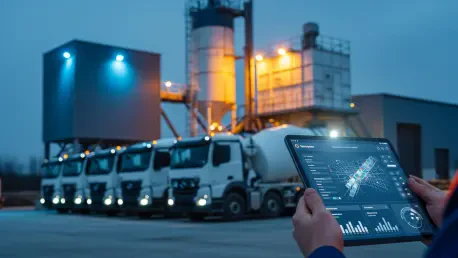

The heavy building materials industry has long operated within a labyrinth of disconnected spreadsheets, siloed radio communications, and manual logs that often obscured the true cost of production. Command Cloud represents a strategic departure from these fragmented methodologies, offering a cohesive platform designed to synchronize the complex logistics of the construction supply chain. This transition reflects a broader industrial movement where digital precision replaces estimation. By centralizing operational data, the platform aims to eliminate the information gaps that historically plagued ready-mix and aggregate producers.
Part 1. Defining the Command Cloud Ecosystem
Command Cloud is a purpose-built software-as-a-service (SaaS) ecosystem that targets the specific requirements of the heavy building materials sector. Unlike horizontal software solutions that try to fit every industry, this platform focuses on the high-stakes logistics of concrete, asphalt, and aggregates. It transitions producers away from legacy, on-premise hardware toward a cloud-native environment, allowing for a more fluid exchange of information between the plant and the corporate office.
The ecosystem functions as a single source of truth, replacing the “patchwork” of regional or departmental software that often led to conflicting data. This unity is essential for producers who need to manage multiple sites with varying local demands while maintaining corporate standards. By providing a unified operational environment, the platform facilitates a more agile response to market fluctuations and material shortages.
Core Features and Technical Architecture
Integrated Workflow Management
The platform’s primary strength lies in its ability to collapse disparate workflows into a single interface. Production, dispatch, and financial settlement are no longer treated as separate events but as a continuous data stream. This integration provides visibility across the entire value chain, enabling users to track a load from the moment it is batched until the final invoice is paid.
This visibility matters because it reduces the “friction” that usually occurs during hand-offs between departments. When dispatchers can see real-time inventory and plant operators can see the delivery schedule, the likelihood of overproduction or delivery delays decreases. The result is a more synchronized operation that maximizes equipment utilization and minimizes waste.
Cloud-Native Scalability and Automated Deployment
From a technical standpoint, the shift to a cloud-native model removes the burden of manual infrastructure maintenance. Security patches and feature updates are rolled out automatically, ensuring that every user is working on the same version without the downtime associated with legacy upgrades. This architecture allows organizations to scale their operations upward without the need for additional physical servers or localized IT support.
Moreover, the SaaS model provides a level of flexibility that traditional software cannot match. Producers can modernize different parts of their business at their own pace, integrating new modules as their digital maturity grows. This modularity ensures that the technology serves the business goals rather than dictating them.
Embedded AI and Real-Time Data Insights
The inclusion of embedded artificial intelligence provides an analytical layer that goes beyond simple reporting. AI-driven functionalities help standardize operations by identifying patterns in delivery times or material usage that might be invisible to a human observer. These insights empower field personnel to make data-backed decisions on the fly, which is critical in an industry where product shelf-life is measured in minutes.
Real-time data access ensures that stakeholders across the organization remain aligned. Whether it is a batch plant operator monitoring moisture levels or an executive reviewing quarterly margins, everyone draws from the same pool of live data. This transparency fosters a collaborative culture where problems are solved proactively rather than after the fact.
Current Trends in Heavy Material Technology
A significant shift is occurring as construction firms move away from generic enterprise resource planning (ERP) systems in favor of industry-specific SaaS solutions. Generic software often fails to account for the unique perishability of concrete or the logistical volatility of aggregate hauling. Modern producers are prioritizing specialized tools that understand these nuances, leading to a surge in demand for platforms like Command Cloud.
The trajectory of construction technology is also being shaped by the need for mobile accessibility and real-time connectivity. As the workforce becomes more digitally savvy, there is an expectation that operational tools should be as intuitive and accessible as consumer applications. This trend is driving developers to focus on user-centric designs that work as effectively on a job site tablet as they do on a desktop computer.
Real-World Applications and Industrial Impact
In the ready-mix concrete and asphalt industries, the journey from the plant to the job site is fraught with variables like traffic and weather. Command Cloud has streamlined this journey by providing a centralized communication hub for drivers, dispatchers, and contractors. By digitizing the ticketing and delivery process, companies have significantly reduced the errors that occur with paper-based systems.
The industrial impact is most visible in the improved decision-making of back-office personnel. With centralized data, financial reporting becomes more accurate and faster, allowing for more precise inventory management and cash flow forecasting. This level of control is a competitive advantage in a sector where margins are often thin and operational efficiency is the primary driver of profitability.
Challenges and Barriers to Adoption
Despite the benefits, migrating from deeply entrenched legacy systems to a cloud platform presents technical hurdles. Large-scale operations often have decades of data stored in formats that do not easily translate to modern architectures. Consequently, the initial migration phase requires careful planning and a robust strategy for data integrity to ensure that historical insights are not lost during the transition.
The human element remains a significant obstacle, as the heavy construction industry has historically resisted digital change. Moving to a cloud-native environment requires a shift in mindset and a commitment to workforce upskilling. Companies must invest in training to ensure that employees at all levels can leverage the platform’s full capabilities, otherwise, the technology remains an underutilized asset.
The Future of the Command Cloud Platform
Looking ahead, the platform is likely to see deeper integration with autonomous systems and advanced predictive analytics. As self-driving delivery trucks and automated batching systems become more common, Command Cloud could serve as the central nervous system for these technologies. This would enable a level of automation where the platform predicts supply chain disruptions and automatically reroutes logistics to compensate.
Breakthroughs in automated inventory management and financial reporting will likely further reduce the need for manual intervention. By leveraging sensors and IoT devices at the plant, the platform could provide real-time updates on material levels, triggering automatic orders to suppliers. This high-performance connectivity will eventually reshape the global construction materials supply chain into a more resilient and responsive network.
Final Assessment and Industry Takeaways
The review of Command Cloud indicated that the platform effectively addressed the chronic problem of operational silos within the heavy materials sector. It functioned as a catalyst for digital transformation by providing a scalable, specialized alternative to fragmented legacy tools. The platform’s recent recognition through the Globee® Award further validated its impact, signaling that the industry was ready to embrace a more integrated and data-driven future.
Moving forward, producers should view this technology as a foundational element of their long-term growth strategy. Success will depend on the ability to overcome cultural resistance and fully commit to the cloud-native model. Organizations that prioritize this digital transition will be better positioned to navigate the complexities of the modern construction landscape and capitalize on future innovations in autonomous logistics and predictive analytics.