

Modern business environments have rapidly transformed into a complex web of interconnected software where the traditional security perimeter has completely dissolved in favor of fragmented identity management. This transition has forced small and mid-sized businesses to confront a landscape where
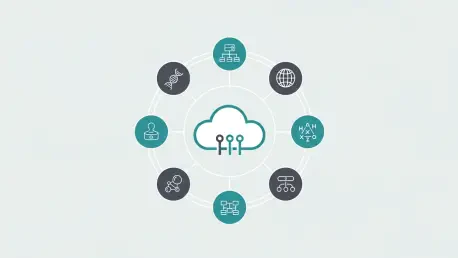
The modern academic inquiry requires a fortress-like digital architecture capable of shielding the world's most sensitive discoveries from increasingly sophisticated and persistent global cyber threats. While the pursuit of knowledge once relied solely on open collaboration, the current landscape

The rapid evolution of generative artificial intelligence has moved beyond the experimental sandbox, forcing chief information officers to rethink how they safeguard the massive volumes of sensitive enterprise data flowing through these systems. By 2026, the complexity of managing large language

The cybersecurity industry is currently experiencing a profound disconnect between the high-octane promises of "Agentic SOC" marketing and the practical, gritty realities of daily security operations. While vendors frequently advertise artificial intelligence as a magic bullet capable of replacing

The rapid convergence of industrial control systems with cloud-integrated technologies has created a landscape where a single misconfigured sensor or a subtle lateral movement by a threat actor could compromise the stability of an entire regional power grid. In response to these escalating risks,

The rapid evolution of corporate artificial intelligence has fundamentally altered the landscape of digital administration, forcing executives to rethink how they manage high-stakes licensing agreements in an increasingly automated environment. As organizations move beyond the initial phase of