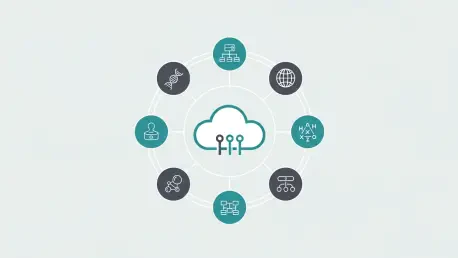

The modern academic inquiry requires a fortress-like digital architecture capable of shielding the world’s most sensitive discoveries from increasingly sophisticated and persistent global cyber threats. While the pursuit of knowledge once relied solely on open collaboration, the current landscape of 2026 necessitates a more controlled environment for handling restricted and regulated data. The University of Utah has responded to this challenge by launching the Secure Research Enclave, a governed cloud platform that centralizes security responsibilities. Instead of individual research labs struggling to build their own silos of protected hardware, the institution now offers a pre-validated, scalable ecosystem. This centralized approach reduces the administrative weight on faculty members, allowing them to pivot from managing firewalls to interpreting complex data sets. By providing a ready-made secure foundation, the university ensures that high-stakes research projects can commence without the typical months of technical delays or security audits.
Driving Innovation Through Scalable Infrastructure
Part 1: Cloud Foundation and Technical Scalability
The selection of Amazon Web Services as the structural backbone for the enclave allows the university to provide an unprecedented level of technical agility to its various research teams. This infrastructure is not merely a storage repository but a high-performance computational engine capable of handling massive workloads like genomic sequencing and real-time environmental modeling. By leveraging the elasticity of the cloud, the institution can provision resources on demand, ensuring that a sudden influx of data does not lead to hardware bottlenecks. This transition to a virtualized environment represents a significant departure from traditional high-performance computing models that often required massive upfront capital investments in physical servers. Now, researchers can access the exact amount of processing power they need for specific phases of their work, which promotes a more fluid and responsive scientific process. Such scalability is essential for remaining competitive in a landscape where data volume is growing exponentially across every scientific discipline.
Part 2: Generative AI and Economic Efficiency
The integration of advanced analytical tools, including generative artificial intelligence and machine learning modules, further distinguishes this initiative from conventional research data storage solutions. By providing these tools within a secure perimeter, the university enables faculty to explore the frontiers of AI-driven discovery without risking the exposure of sensitive proprietary or clinical information. The economic model supporting this technology is equally innovative, utilizing a pay-as-you-go system that aligns digital expenditures directly with grant timelines and budgets. This financial transparency is a critical advantage for principal investigators who must account for every dollar of federal funding while maintaining access to state-of-the-art resources. Consequently, the fiscal barriers that previously prevented smaller research teams from accessing high-tier computational power have been effectively dismantled. This democratization of technology ensures that the quality of research is determined by the caliber of the scientific inquiry rather than the size of a lab’s independent budget.
Navigating the Complexities of Global Data Security
Part 1: Regulatory Compliance and Federal Mandates
Meeting the diverse and rigorous demands of global regulatory frameworks requires a sophisticated approach to data governance that extends far beyond simple encryption. The Secure Research Enclave is specifically engineered to comply with the Health Insurance Portability and Accountability Act, ensuring that clinical research involving patient records remains strictly protected. Additionally, the platform adheres to the Cybersecurity Maturity Model Certification standards, which are mandatory for defense-related contracts and other federally funded projects involving controlled unclassified information. By aligning with the National Institute of Standards and Technology requirements, the university provides a pre-certified environment that acts as a safe harbor for intellectual property. This level of institutional oversight protects both the researchers from inadvertent compliance violations and the university from the significant legal and financial risks associated with data breaches. The result is a robust security posture that satisfies the most demanding federal sponsors and international partners.
Part 2: Institutional Stewardship and Project Oversight
The Research Security Office functions as the essential human component of this technological framework, bridging the gap between high-level security protocols and daily academic activities. Rather than acting as a bureaucratic hurdle, this office provides proactive guidance on data stewardship and project planning from the very beginning of the grant application process. Staff members assist researchers in navigating the complexities of contract negotiations, ensuring that all security requirements are clearly defined and achievable within the enclave’s architecture. This collaborative model transforms security from an afterthought into a foundational element of the research design, fostering a culture where data integrity is prioritized. By centralizing these administrative functions, the university has effectively streamlined the transition from conceptualization to execution for highly regulated projects. This internal support system ensures that faculty members can remain focused on their core scientific mission while knowing that the logistical and legal aspects of data security are being managed.
Building a Collaborative Research Ecosystem
Part 1: Cross-Platform Integration and Resource Tiering
A multi-tiered computational strategy allows scientists at the university to select the specific environment that best aligns with the sensitivity and technical requirements of their data. While the Center for High Performance Computing remains a cornerstone for large-scale simulations that do not involve restricted information, the enclave provides a necessary alternative for clinical or defense-related inquiries. This synergy ensures that every project receives a right-sized solution, preventing the over-allocation of high-security resources for low-risk tasks while providing maximum protection where it is truly needed. The engineering of these secure environments is designed to be interoperable, allowing for a seamless flow of information between various university systems when appropriate. This holistic approach to infrastructure prevents the creation of disconnected data silos and encourages a more integrated scientific community. By maintaining a spectrum of computing options, the institution can support a broader range of research activities without compromising performance.
Part 2: Community Outreach and Security Awareness
To sustain the efficacy of this secure environment, the university has prioritized educational outreach through specialized forums such as the annual Secure Research Days event. These workshops provide faculty and staff with practical training on managing data in a cloud-enabled landscape, emphasizing the shared responsibility of cybersecurity. By fostering a community of practice, the institution ensures that researchers are not only equipped with advanced tools but also possess the knowledge to use them safely and effectively. This focus on human capital is essential for adapting to the rapidly changing nature of digital threats and international security regulations. The resulting culture of awareness reduces the likelihood of human error, which remains one of the most significant vulnerabilities in any technological system. Moreover, these educational initiatives encourage cross-disciplinary collaboration, as researchers from different fields share their experiences and best practices for securing sensitive information. This collective intelligence strengthens the university’s research enterprise.
The Path Forward: Strategic Recommendations and Implementation
Part 1: Implementation Insights and Long-Term Scalability
Establishing a secure research environment required a shift from reactive security measures toward a proactive, institutionalized framework that prioritized both compliance and researcher productivity. Academic organizations looking to replicate this success discovered that the integration of cloud services was most effective when paired with strong central governance and dedicated support staff. It was necessary to move away from fragmented, lab-specific security solutions that often lacked the resources to keep pace with evolving federal mandates like the National Security Presidential Memorandums. Strategic investment in scalable infrastructure allowed for a more flexible response to new funding opportunities, particularly those involving high-sensitivity datasets. Furthermore, institutions found that clearly communicating the benefits of centralized security, such as reduced administrative burden and faster project onboarding, was vital for achieving faculty buy-in. By treating cybersecurity as a shared institutional asset rather than a restrictive set of rules, universities improved their overall research posture.
Part 2: Implementation Outcomes and Future Considerations
The implementation of the Secure Research Enclave fundamentally altered the trajectory of scientific discovery at the university by removing the traditional barriers to high-stakes data analysis. Researchers utilized the platform to secure multi-million dollar grants that previously would have been unattainable due to the complexity of the required security audits. The institution successfully bridged the gap between advanced technology and administrative oversight, creating a model that favored long-term growth and international collaboration. Future developments in this space likely focused on even tighter integration with automated compliance monitoring and real-time threat detection to maintain this competitive edge. Lessons learned from this initiative suggested that the key to modern research success lied in the ability to balance the openness of the scientific method with the ironclad requirements of national security. By investing in a governed and scalable digital foundation, the university provided its faculty with the tools necessary to lead their respective fields while safeguarding the integrity of their most critical work.