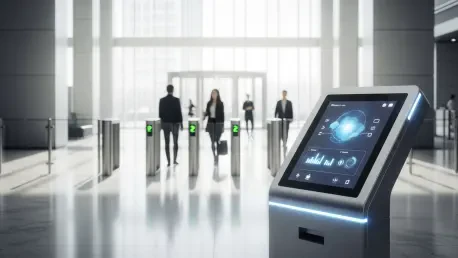

The traditional paper guestbook has long been the weakest link in facility security, but the transition toward cloud-native visitor management platforms is finally turning the front desk into a robust digital perimeter. This shift represents a significant advancement in the security and workplace administration sector. Modern solutions move beyond simple logging to offer a holistic approach that combines visitor data with deep security logic. By examining the current capabilities and performance of these platforms, this review provides a thorough understanding of how technology is reshaping the entry experience.
Organizations are increasingly moving away from manual processes toward unified, software-led workplace management that prioritizes real-time visibility. This evolution is not merely about digitizing a logbook; it is about centralizing guest and employee data to ensure a consistent security posture. As platforms like Kenai integrate into established security frameworks, they eliminate the traditional friction between administrative tasks and strict safety protocols.
The Paradigm Shift Toward Cloud-Native Entry Solutions
The transition from fragmented guest logging to cloud-native visitor management systems marks a fundamental change in how businesses perceive their physical boundaries. Traditional systems often relied on isolated hardware or manual entries that provided no real-time oversight. In contrast, cloud-native solutions centralize control, allowing security teams to monitor multiple access points from a single remote dashboard. This change is essential in a landscape where decentralized workforces and varying visitor types require more than just a gatekeeper at the door.
Moving security logic to the cloud allows for a more dynamic response to potential threats and administrative needs. Instead of relying on local servers that require physical maintenance, cloud platforms offer scalability and instant updates. This shift ensures that organizations can adapt to new compliance requirements or security challenges without needing to overhaul their on-site infrastructure. The result is a more resilient and agile workplace that treats every entry point as a data-rich node in a broader security ecosystem.
Technical Components and Integration Capabilities
Unified Interface and Centralized Management
The ability of cloud-native systems to consolidate disparate processes into a single interface is perhaps their most significant operational advantage. Administrative staff can now manage visitor logs, employee onboarding, and safety inductions from one central platform, which greatly reduces the likelihood of data silos. This consolidation improves the overall administrative workflow by providing a “single source of truth” for site attendance. By streamlining these interactions, organizations can reduce wait times at the front desk while maintaining a high level of accuracy.
Centralized management also allows for more sophisticated data analysis and reporting. Administrators can quickly identify patterns in visitor traffic, monitor the efficiency of onboarding processes, and ensure that all records are up to date for auditing purposes. This level of oversight is nearly impossible to achieve with paper-based or disconnected digital systems. The interface acts as a hub for both front-of-house operations and back-end security planning, bridging the gap between guest services and site protection.
Deep Integration with Security Infrastructure
A critical technical feature of modern visitor management is the way software interacts with back-end security hardware, such as Gallagher’s Command Centre. This deep integration allows front-desk interactions to translate immediately into physical access permissions. For example, once a visitor is verified through the cloud interface, the system can automatically grant them temporary access to specific doors or elevators. This connection ensures that security is maintained at every internal checkpoint, not just the front door.
Linking visitor management with physical access control eliminates the need for manual data entry into multiple systems. When a contractor completes their check-in, their digital identity is instantly recognized by the building’s readers, ensuring they only enter authorized zones. This synergy between software and hardware creates a cohesive security narrative, allowing for automated responses to unauthorized access attempts or compliance failures. It transforms the visitor experience from a series of disjointed steps into a seamless, secure journey.
Automated Onboarding and Compliance Verification
Managing diverse user types, such as permanent staff, temporary contractors, and one-time guests, requires a robust automated system. Cloud-native platforms excel at conducting automated safety inductions and regulatory compliance checks before a user is even allowed on-site. This gatekeeping function ensures that everyone within a facility has met specific legal and safety requirements. By automating these checks, organizations can significantly reduce the risk of human error in high-stakes environments where compliance is non-negotiable.
The system functions as a proactive filter, preventing entry to anyone who has not completed the necessary training or documentation. For contractors, this might include verifying insurance certificates or trade licenses in real-time. For employees, it could involve confirming health and safety protocols during a site visit. This level of automated verification provides peace of mind for facility managers, as the software maintains an impeccable audit trail of all compliance activities, which is vital for meeting industry standards.
Current Industry Trends and Market Drivers
The security landscape is currently experiencing a massive convergence between physical safety, Human Resources, and workplace administration. Organizations are no longer looking for “best-of-breed” fragmented systems; instead, they are seeking “all-in-one” management tools that provide a unified experience. This trend is driven by the need for operational efficiency and a desire to reduce the number of software subscriptions a company must manage. The integration of Kenai into the Gallagher portfolio is a prime example of how industry leaders are moving toward these holistic, perimeter-to-front-desk solutions.
Market drivers also include a heightened focus on the guest experience and employer branding. A modern, digital check-in process reflects well on a company, signaling that they are forward-thinking and security-conscious. Furthermore, the move toward hybrid work models has made it more important than ever to track who is on-site at any given time for both safety and space management. This shift in industry behavior reflects a broader desire for unified security ecosystems that offer a clear, data-driven narrative for site management.
Practical Applications in High-Stakes Environments
The deployment of cloud-native visitor management is particularly impactful in high-security sectors like critical infrastructure, government buildings, and healthcare. In these environments, the volume of daily traffic is high, and the consequences of a security breach are severe. Automated compliance tracking allows these facilities to manage thousands of entries without compromising on safety protocols. For instance, in a healthcare setting, the system can ensure that every contractor entering a sterile zone has the appropriate clearance and health documentation.
Educational institutions also benefit from these systems by providing a safer environment for students and staff. By screening visitors against watchlists and automating guest check-ins, schools can maintain a high level of security without creating a fortress-like atmosphere. The ability to manage high-traffic events, such as parent-teacher conferences or campus tours, through a single digital platform allows administrators to stay organized and responsive. These real-world applications demonstrate that cloud-native solutions are versatile enough to handle the unique needs of any high-stakes facility.
Technical Hurdles and Market Obstacles
Despite the clear benefits, the adoption of cloud-native systems faces challenges, particularly when integrating with legacy hardware. Many older buildings are equipped with access control systems that were never designed to communicate with modern cloud software. Transitioning from these manual, paper-based workflows requires a significant investment in both time and equipment. Furthermore, organizations must navigate the complexities of data privacy and storage, ensuring that guest information is handled according to regional regulations like GDPR or local privacy acts.
Ongoing development efforts are focused on mitigating these limitations through enhanced encryption and improved interoperability standards. As cloud technology matures, the ability to bridge the gap between old hardware and new software is becoming easier. However, the hurdle of moving away from “the way things have always been done” remains a significant cultural barrier for some organizations. Overcoming these obstacles requires a clear demonstration of the long-term ROI and the enhanced security that these modern systems provide.
Future Outlook for Workplace Ecosystems
The trajectory of visitor management technology suggests a future where mobile-centric access and artificial intelligence play central roles. Mobile devices will likely become the primary credential for both guests and employees, allowing for touchless entry and predictive site management. AI could be used to analyze traffic patterns and suggest optimal staffing levels for front-desk operations or even predict potential security risks based on historical data. These breakthroughs will continue to blur the lines between security hardware and administrative software.
As unified security ecosystems become the global standard, the distinction between different departments will continue to fade. Security, HR, and facilities management will operate from a shared data pool, leading to more efficient and secure business operations worldwide. This long-term impact will redefine the concept of workplace management, creating environments that are not only more secure but also more responsive to the needs of the people who use them every day.
Final Evaluation of the Technological Landscape
The transition to cloud-native visitor management proved to be a pivotal moment for the security industry. The review of these systems showed that software-led unification significantly increased operational efficiency across various sectors. Organizations that adopted these platforms reported a marked improvement in compliance tracking and visitor experience. It was clear that the ability to link front-of-house interactions with deep security infrastructure provided a level of protection that legacy systems could not match.
Ultimately, the shift toward integrated workplace ecosystems represented a successful move toward a more secure and seamless global standard. The technology demonstrated its ability to mitigate risks while simplifying complex administrative tasks. As these platforms continued to evolve, they became indispensable tools for modern facility management. The verdict was definitive: the move to the cloud was not just a trend but a necessary evolution for any organization serious about security and professional administration.