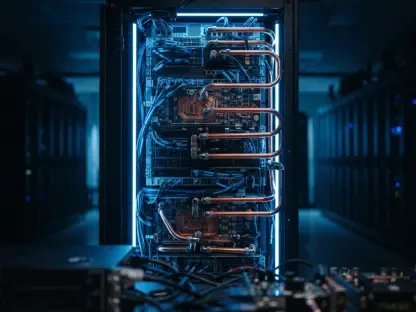

The meteoric expansion of specialized artificial intelligence infrastructure has created a fragile ecosystem where over two hundred providers currently compete for a share of the high-performance compute market. This proliferation of neocloud entities reflects a gold-rush mentality that is now facing the harsh reality of capital constraints and rising operational overhead.
Neoclouds emerged as agile alternatives to hyperscalers by providing direct access to specialized hardware like Nvidia Blackwell chips. They bypassed traditional cloud bureaucracy, catering to developers who required massive training capacity without the baggage of general-purpose platforms.
The Rise of AI-Optimized Infrastructure and the Specialized Cloud Ecosystem
The landscape has become saturated with players operating on thin margins while chasing identical enterprise contracts. This intense competition means that differentiation based solely on hardware availability is no longer a viable strategy for maintaining long-term market independence.
The technological backbone of these ventures relies heavily on the latest generation of silicon as the primary currency of growth. Reliance on a single hardware provider creates a systemic risk where any supply chain disruption directly threatens the solvency of smaller neocloud players.
Accelerating Market Shifts and Financial Performance Metrics
Emerging Trends in Compute Demand and Hardware Lifecycles
Consumer behavior is pivoting toward inference tasks, which demand different efficiencies than the initial training phase. The relentless hardware arms race forces companies into rapid obsolescence cycles, requiring constant capital just to remain relevant.
Statistical Outlook and the 2030 Consolidation Forecast
Gartner predicts that eighty percent of independent neoclouds will be absorbed or shuttered by 2030 due to a gap between spending and revenue. Stock price volatility for frontrunners signals that the honeymoon for speculative infrastructure is ending.
The Capital Trap: Navigating Debt Freezes and High Interest Hurdles
Debt markets are tightening, creating a guppy-level death scenario for firms lacking diversified income. While massive entities secure investment-grade debt, pure-play startups find themselves increasingly locked out of necessary credit lines.
This financial squeeze leads to stranded compute, where partially completed data centers sit idle because operators cannot afford hardware procurement. Survival depends on moving beyond commoditized rentals into specialized software layers that offer unique value.
Governance, Compliance, and the Role of Financial Regulation
Regulation adds complexity as lenders question the collateral value of GPUs that depreciate faster than typical assets. Environmental mandates and power grid limitations also restrict expansion, favoring established firms with existing permits.
Sovereignty laws are forcing infrastructure providers to localize operations, adding significant compliance costs. Organizations that prioritize transparency in their power utilization and cloud efficiency are finding it easier to navigate these new bureaucratic hurdles.