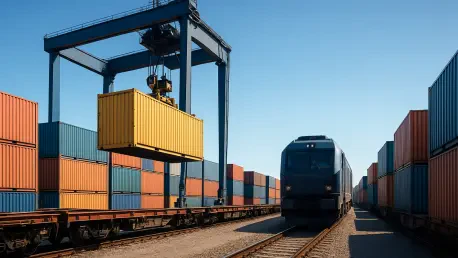

For terminal facilities, the stability of a Terminal Operating System is often as critical as innovation because these platforms are notoriously difficult to replace once integrated. On October 1, 2026, the logistics technology landscape experienced a major shift when the private equity firm Diversis acquired a majority stake in Tideworks from Carrix. Tideworks, a Seattle-based leader in Terminal Operating Systems (TOS), provides the essential software backbone for marine and intermodal rail terminals across the globe. By bringing Tideworks into its portfolio, Diversis is not just buying a software company; it is securing a critical piece of the global supply chain infrastructure. This move signals Diversis’ intent to become a dominant architect in the modernization of international freight movements. The transaction, backed by Blackstone through the seller Carrix, highlights the growing value of infrastructure-layer software in a world that increasingly relies on seamless multimodal transitions at the port level.
Strategic Value: The SaaS Market Dominance
The acquisition is a calculated effort by Diversis to capitalize on the high-moat nature of terminal operating systems. Tideworks currently powers over 130 facilities worldwide, creating a reliable stream of recurring revenue that is highly attractive to private equity investors. Because these systems are deeply integrated into terminal workflows, they have exceptionally low churn rates. Diversis plans to leverage this stability by cross-selling Tideworks’ software alongside its existing logistics platforms, effectively increasing its share of a client’s total technology spend through a bundled, end-to-end service model. This vertical integration allows the firm to offer a unified digital environment, where port operators can manage everything from berth scheduling to inland rail transfers without switching between disparate vendors. Such a move reduces friction for the end-user while solidifying Tideworks’ position as a permanent fixture in the logistics ecosystem, making it a cornerstone for future growth.
This deal also reflects a broader institutional push toward the digitalization of global trade. As terminal operators move away from legacy, on-premise hardware toward cloud-native solutions, the demand for integrated software is skyrocketing. Analysts expect double-digit growth in transportation software spending from 2026 to 2028 as ports look to automate processes and reduce human error. Diversis is entering the sector at a peak moment of transformation, positioning itself to scale Tideworks’ offerings just as the industry reaches a tipping point in technological adoption. The shift toward software-as-a-service models in the maritime sector is no longer a luxury but a necessity for staying competitive in a high-speed global market. By controlling the primary operating system, Diversis can dictate the pace of these digital upgrades, ensuring that terminal facilities are equipped to handle the increasing complexity of cargo that defines the modern trade landscape through sophisticated cloud architecture.
Continuity: Operational Stability and Long-Term Insights
Despite the transition in ownership, the deal prioritizes operational stability to protect Tideworks’ existing client relationships. Diversis has chosen to retain the current leadership team, a strategic move intended to reassure terminal operators who rely on Tideworks for mission-critical daily tasks. In an industry where software downtime can cost millions, maintaining executive continuity ensures that deep-seated industry expertise remains at the helm. This approach allows Diversis to take control of the long-term product roadmap while keeping the current engine of the company running smoothly during the integration phase. Stakeholders should view this as a commitment to the “don’t break what works” philosophy, which is essential when dealing with complex infrastructure software. By preserving the human capital that built the platform’s reputation, Diversis reduces the risk of customer attrition and ensures that technical support remains at the high level expected by maritime and rail giants across the globe.
The completion of this acquisition signaled a turning point for terminal technology providers. Stakeholders who watched the deal unfold recognized that the emphasis on software integration became the new standard for evaluating logistics assets. Moving forward, terminal operators were advised to evaluate their current systems for compatibility with broader digital ecosystems to avoid being left behind by more integrated competitors. Investors sought out similar opportunities where specialized SaaS could be bundled into larger service platforms. The industry realized that the real value lay in the data generated by these systems, leading to a surge in predictive maintenance and autonomous logistics projects. Ultimately, the Diversis acquisition demonstrated that the future of global freight was not just about physical capacity but about the intelligence of the code managing every movement. Port authorities began prioritizing vendors that offered end-to-end visibility, effectively changing the procurement landscape forever.