
The rapid convergence of sophisticated human-machine interface technologies and deep learning algorithms has catalyzed a fundamental transformation in how aging populations receive support within their homes. Traditional methods of senior care, often reactive and labor-intensive, are being replaced by proactive digital ecosystems that prioritize autonomy while maintaining a safety net of constant surveillance. This shift is most visible in the emergence of integrated platforms that combine durable hardware with intelligent software, creating a seamless bridge between seniors and healthcare providers. As the demographic landscape shifts toward a more significant elderly population in 2026, the demand for scalable, technology-driven care solutions has moved from a luxury to a critical infrastructure requirement.
Evolution of AI-Integrated Senior Care Solutions
The transition from standalone medical alert buttons to comprehensive AI-integrated platforms marks a significant milestone in the elder-tech sector. Historically, hardware manufacturers focused on the physical durability of devices, but the current market demands a sophisticated interplay between tactile interfaces and cloud-based intelligence. The WeTouch WeCare platform exemplifies this evolution, transitioning from a foundation of high-quality touchscreen manufacturing into a multi-layered software-as-a-service environment. This evolution is driven by the realization that hardware alone cannot solve the complexities of aging; rather, it serves as the essential gateway for data collection and user interaction.
By embedding artificial intelligence into the very fabric of senior living, these platforms move beyond simple emergency response. They now encompass daily lifestyle management, social connectivity, and preventative health monitoring. The relevance of this technology in the broader landscape is underscored by its ability to alleviate the burden on professional nursing staff while empowering families with real-time insights. As companies move toward recurring revenue models, the focus has shifted toward the longevity of the service and the continuous refinement of the user experience, ensuring that the technology remains accessible to those who may not have grown up in a digital-first era.
Core Technical Components of Care Platforms
Integrated Intelligent Hardware Ecosystem
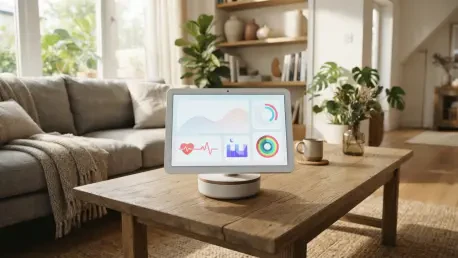
At the heart of any effective senior care platform lies a robust hardware ecosystem that must perform reliably in diverse home environments. Modern platforms utilize medium-to-large projected capacitive touchscreens, which offer superior sensitivity and clarity compared to traditional resistive displays. This technical choice is significant because it accounts for the physical limitations often associated with aging, such as reduced tactile sensitivity or visual impairment. These screens are not merely displays but are integrated with sensors that monitor ambient conditions and user movement, creating a responsive environment that reacts to the resident’s presence.
The performance of this hardware is measured by its ability to maintain connectivity and accuracy over long durations without frequent maintenance. Integration with smart home devices, health wearables, and environmental sensors allows the platform to act as a centralized hub for all data points. This creates a cohesive “smart environment” where the hardware remains unobtrusive yet always available. The significance of this integrated approach is that it reduces the cognitive load on the senior, who no longer needs to manage multiple disparate devices to receive comprehensive care.
AI-Assisted Coordination: Predictive Analytics
The intelligence of these platforms is found in the software layer, where artificial intelligence analyzes vast amounts of data to provide predictive insights. Rather than waiting for a fall or a medical emergency to occur, the AI examines patterns in daily behavior, such as changes in sleep cycles, gait speed, or frequency of movement. By identifying subtle deviations from a user’s baseline, the system can alert caregivers to potential health declines before they manifest as acute crises. This predictive capability represents a fundamental shift from reactive to proactive care, significantly improving the quality of life and safety for seniors.
Moreover, the coordination aspect of AI streamlines the logistics of care delivery through automated scheduling and emergency triage. When an anomaly is detected, the platform does not simply sound an alarm; it categorizes the risk and notifies the appropriate party, whether it be a family member, a community manager, or emergency services. This technical sophistication ensures that resources are deployed efficiently and that the most critical issues receive immediate attention. The real-world usage of these analytics creates a feedback loop where the system becomes more accurate as it gathers more data, personalizing the care experience for every unique user.
Emerging Trends in Healthcare SaaS Models
The industry is currently witnessing a definitive shift toward subscription-based healthcare services, which prioritize long-term engagement over one-time hardware sales. This model allows for continuous software updates, ensuring that the platform can adapt to new medical guidelines or technological breakthroughs without requiring the user to purchase new equipment. This trend is particularly influential because it lowers the initial barrier to entry for families, making high-tech care more accessible through manageable monthly or annual fees.
Furthermore, there is an increasing emphasis on data interoperability, where care platforms are designed to communicate with broader hospital systems and electronic health records. This trend toward decentralization means that a senior’s health data can follow them across different care settings, providing a holistic view of their well-being. The integration of social features within these SaaS models also reflects a shift in consumer behavior, as modern platforms now include tools for video calling, community events, and cognitive gaming, addressing the epidemic of loneliness alongside physical health.
Real-World Applications and Sector Deployment
Current sector deployment is most evident in large-scale residential communities where operators utilize these platforms to manage thousands of residents simultaneously. For instance, the partnership between technology providers and community networks like Ruilan International demonstrates the potential for massive infrastructure rollouts. In these settings, the platform serves as a management tool for operators to track service delivery, manage memberships, and maintain operational efficiency across vast geographic areas. This centralized management allows for a higher standard of care while keeping costs under control through automated administrative tasks.
Unique use cases are also emerging in the field of home-based rehabilitation, where AI-enabled displays guide seniors through physical therapy exercises and monitor their progress in real time. These implementations show that the technology is not just for monitoring but is an active participant in the health journey. By deploying these systems in both private homes and community centers, providers can create a safety net that covers the entire spectrum of senior living, from independent residents to those requiring more intensive support.
Technical Hurdles and Market Adoption Barriers
Despite the rapid progress, several technical hurdles remain, particularly regarding the privacy and security of sensitive health data. Ensuring that AI models are both accurate and unbiased is a continuous challenge, as algorithms must be trained on diverse datasets to avoid errors in judgment. There is also the significant barrier of digital literacy; if a platform is too complex or the interface is not intuitive, adoption will stall among the very demographic it is intended to serve. These challenges require ongoing development efforts focused on human-centric design and robust encryption protocols.
Market adoption is further complicated by the regulatory landscape, which often lags behind technological innovation. Establishing clear standards for what constitutes “medical-grade” AI versus wellness monitoring is essential for gaining the trust of healthcare professionals and insurers. Additionally, the cost of maintaining high-speed internet and reliable cloud infrastructure in rural areas can limit the reach of these platforms. Mitigating these limitations involves creating “edge computing” solutions where the device can perform critical AI functions locally, reducing the reliance on a constant high-bandwidth connection.
Future Outlook for HMI and Robotics
The future of senior care lies in the convergence of sophisticated human-machine interfaces and physical robotics. While current platforms are primarily screen-based, the next generation of technology will likely involve robotic assistants that can perform physical tasks, such as retrieving medication or assisting with mobility. These robots will use the same AI-enabled platforms as their brains, but with the added capability of physical interaction. This evolution will further bridge the gap between digital monitoring and physical assistance, providing a more comprehensive solution for those with limited mobility.
As we look toward the 2027 and 2028 period, the integration of HMI will become even more seamless, with voice and gesture control becoming the primary modes of interaction. This will make the technology virtually invisible, blending into the home environment while providing a high level of security. The long-term impact on society will be a significant extension of independent living, as the combination of AI and robotics provides a level of support that was previously only available in institutional settings.
Strategic Assessment and Final Review Findings
The strategic pivot from pure hardware manufacturing toward a high-margin software-as-a-service model positioned the analyzed platforms as leaders in the digital transformation of eldercare. The assessment revealed that the integration of capacitive touch technology with predictive AI analytics provided a unique competitive advantage, offering both reliability and foresight. This dual approach addressed the immediate safety needs of seniors while providing the long-term data insights necessary for modern healthcare management. The review concluded that the success of such platforms depended heavily on their ability to maintain user trust through transparent data practices and simplified user interfaces.
The final findings suggested that while the technical foundation was solid, the ultimate impact on the industry would be determined by the speed of market adoption and the success of large-scale community partnerships. The transition into the robotics value chain appeared to be the logical next step, promising to turn passive monitoring systems into active care participants. By bridging the gap between intrinsic hardware value and market service demands, these AI-enabled platforms demonstrated the potential to redefine the standards of senior living. The technology proved to be a vital tool in addressing the global aging crisis, offering a scalable solution that balanced human dignity with technological efficiency.