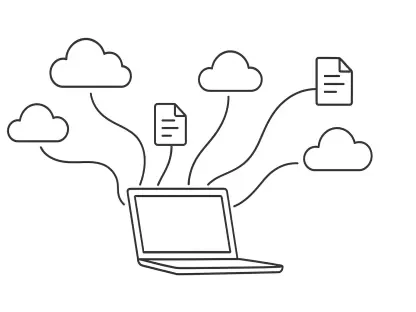

The complexity of cloud-based portfolios necessitates a unified approach that integrates information technology data with financial operations oversight. As the corporate environment navigates through 2026, the once-clear boundaries between procurement, technical support, and budgetary management

Security leaders must move beyond the group name trap by demanding tools that show exactly what an identity can actually do within a database or application. As organizations navigate the operational complexities of 2026, Identity Governance and Administration has transitioned from a back-office

AI agent launch times have been slashed by 24% when organizations utilize centralized platforms to manage the technical and operational aspects of their deployments. This finding highlights a broader trend in 2026, where the initial fervor surrounding artificial intelligence has shifted toward a

The move to acquire Zuma reflects a broader trend in vertical SaaS where companies consolidate AI capabilities to create full-stack operational solutions. This $50 million transaction marks a turning point for property managers who have long struggled with fragmented digital tools that fail to

The fundamental architecture of global enterprise efficiency is undergoing a seismic shift as businesses move beyond static systems of record toward autonomous agents that transform expensive human labor into scalable software subscriptions. This transition marks the end of the era where software

The complexity of bringing a competitive software product to market in 2026 requires more than just a brilliant idea and a collection of skilled engineers. Building a successful SaaS product is often misunderstood as a purely technical endeavor. Most founders assume the journey begins the day