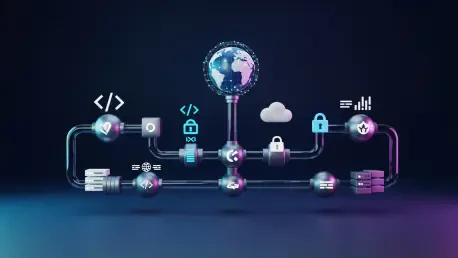
The current landscape of enterprise software delivery demands a level of precision and speed that is only achievable through highly dted, cloud-native automation frameworks. In 2026, the reliance on manual intervention has almost entirely vanished in favor of robust Continuous Integration and

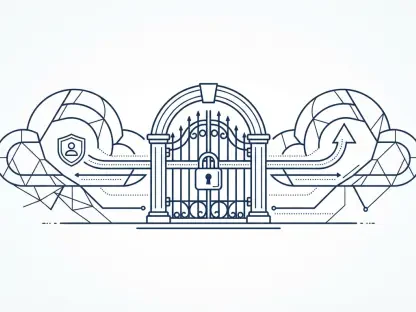
The rapid professionalization of cloud-native ecosystems has effectively transformed multi-tenant architecture from a backend convenience into a mission-critical prerequisite for global enterprise procurement. As we navigate the complex landscape of the current year, the expectations for

The traditional pillar of the enterprise software market is trembling as a massive wave of autonomous intelligence threatens to dismantle the trillion-dollar foundation of global SaaS consumption. For over two decades, the software landscape thrived on the promise of digital transformation through

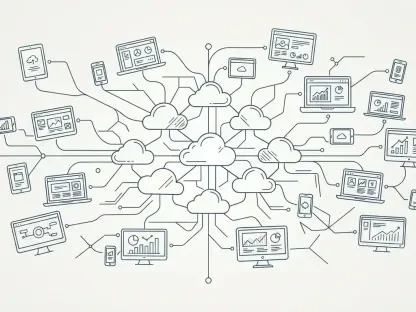
The exponential growth of decentralized software-as-a-service adoption has fundamentally disrupted the traditional centralized control models that previously governed corporate information technology infrastructures. With employees now possessing the autonomy to provision sophisticated cloud tools

The days of waiting for month-end reports to understand corporate health have vanished as modern enterprises trade their static ledgers for fluid, intelligent architectures that breathe with the pulse of the market. Enterprise Resource Planning systems are currently undergoing a fundamental

The rapid proliferation of large language models across global enterprise networks has triggered a significant and largely unforeseen financial crisis characterized by hyper-volatile usage costs that defy traditional accounting methodologies. As organizations scramble to embed generative artificial