
A New Era in Workforce Management: The AI Powered Ascent
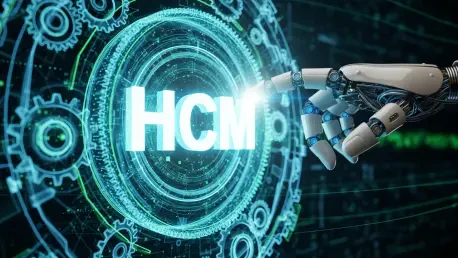
The global Human Capital Management (HCM) software market is on the brink of a monumental transformation, with projections forecasting its value to surge to an impressive $30.72 billion by 2031. This expansion, driven by a compound annual growth rate (CAGR) of 8.56%, signals more than just market growth; it represents a fundamental shift in how organizations manage their most critical asset: their people. Fueled by the integration of advanced technologies like Artificial Intelligence (AI) and Machine Learning (ML), HCM is evolving from a back-office administrative function into a strategic, data-driven powerhouse. This analysis explores the key drivers behind this explosive growth, delves into the opportunities and challenges shaping the industry, and offers a look into the future of work.
The Evolution of HCM: From Digital Filing Cabinets to Strategic Hubs
To appreciate the current boom, it is essential to understand the journey of HCM software. Initially, these systems were little more than digital versions of analog processes, designed to handle core administrative tasks like payroll, benefits administration, and attendance tracking. They were often siloed, on-premise solutions that increased efficiency but offered limited strategic insight. The last decade saw a significant shift toward cloud-based platforms, which broke down data barriers and offered greater flexibility. This migration to the cloud laid the critical groundwork for the current AI revolution, creating the integrated data ecosystems necessary for intelligent algorithms to analyze, predict, and automate complex workforce processes, transforming HCM into the strategic nerve center of the modern enterprise.
The Mechanics of Modern HCM Drivers: Dynamics and Disruptors
The AI Catalyst: Redefining Efficiency and Talent Acquisition
The primary engine propelling the HCM market forward is the integration of AI and ML. No longer a futuristic concept, AI is now a core operational necessity for organizations striving for efficiency, especially when navigating the complexities of hybrid workforces. This technology is revolutionizing talent acquisition by streamlining high-volume administrative duties. For instance, AI-powered tools can screen thousands of resumes in minutes, identifying the best-fit candidates with far greater speed and accuracy than manual processes. This trend is backed by compelling data, with one report indicating that 77% of organizations plan to increase their use of AI in hiring, while another found that 78% of companies have already increased technology use in recruitment to enhance the candidate experience and improve accessibility.
The Human Centric Shift: Prioritizing Experience and Skills
While technology drives efficiency, the strategic focus of modern HCM has become decidedly human-centric. In a competitive labor market, attracting and retaining top talent requires more than just a paycheck; it demands a superior employee experience. AI-powered HCM platforms are instrumental in this, offering personalized career pathing, recommending relevant training, and facilitating continuous feedback. This shift is also giving rise to skills-based talent management, where organizations move beyond rigid job titles to focus on the specific capabilities of their workforce. By using AI to map employee skills to project needs and future business goals, companies can build more agile, resilient teams capable of adapting to rapid market changes.
Bridging the Divide: Integration Hurdles and the Evolving Workforce
Despite the immense potential, the path to a fully optimized HCM ecosystem is fraught with challenges. The most significant barrier is the integration of sophisticated, cloud-based platforms with entrenched legacy systems. This disconnect often leads to data silos, security vulnerabilities, and an inability to generate the holistic insights needed for effective decision-making. Furthermore, the high costs and resource-intensive nature of implementation can be prohibitive for smaller enterprises, limiting broader market penetration. Compounding this complexity is the rise of the gig economy. Traditional HCM systems are designed for a full-time workforce, creating a gap in managing a blended team of permanent employees and independent contractors. This has spurred an opportunity for “Total Workforce Management” solutions that can provide a unified view of all talent, regardless of employment status.
The Future of Work: Predictive Analytics and Hyper Personalization
Looking ahead, the evolution of HCM software will continue to accelerate. The next wave of innovation will likely focus on predictive analytics and hyper-personalization. Imagine systems that can accurately forecast attrition risks for specific employees, allowing managers to intervene proactively. Generative AI will become more sophisticated, capable of crafting personalized job descriptions, performance review summaries, and even tailored training content. As these technologies mature, the lines between HCM and other enterprise systems, such as finance and project management, will blur further, leading to more holistic, data-driven organizational strategies. However, this advancement will also bring increased scrutiny, with potential for new regulations governing the ethical use of AI in hiring and employee management.
Charting a Course: Strategic Adoption in the AI Era
For businesses looking to capitalize on the HCM revolution, a clear strategy is paramount. The goal should not be to adopt technology for its own sake, but to identify and solve specific business problems, whether it is reducing time-to-hire, improving employee retention, or increasing operational agility. A phased implementation approach can help manage costs and minimize disruption, while a strong focus on change management is crucial for ensuring user adoption and realizing the full return on investment. For HR professionals, this new landscape requires a blend of human-centric skills and technological literacy. Success will depend on the ability to interpret data-driven insights and use them to foster a more productive, engaged, and strategic workforce.
The Strategic Imperative of Intelligent HCM
The HCM software market’s projected growth to $30.72 billion was a clear indicator of a profound change in the business world. The integration of AI transformed human resources from a support function into a strategic driver of organizational success. In an era defined by constant change and fierce competition for talent, the ability to intelligently attract, develop, and retain a skilled workforce was no longer just an advantage—it became a strategic imperative. As technology continued to evolve, organizations that successfully harnessed the power of AI-driven HCM positioned themselves to thrive in the future of work.