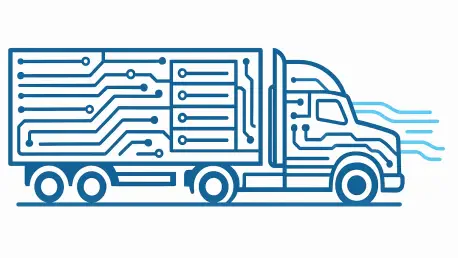
True scalability in the SaaS sector is only achievable when a platform no longer requires constant developer intervention to facilitate the onboarding of new clients. For an established entity like Freightmate, which had already secured a revenue-generating position within the logistics market, the

Enterprises that once relied exclusively on standardized software templates are now finding that rigid workflows act as a silent tax on their operational efficiency and market responsiveness. While the initial appeal of mass-market solutions lies in their immediate availability, the long-term
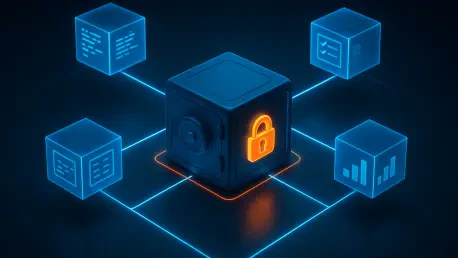
The fragility of the modern software supply chain is often masked by the perceived invincibility of the cloud, where a single accidental command can erase years of proprietary logic. Azure DevOps has transitioned from a fragmented collection of developer tools into a sophisticated, unified

Software is no longer a static asset locked within a physical machine; it is a living, breathing service that flows through global networks. This transformation defines the current technological landscape of 2026, where the rigid structures of the past have given way to fluid, cloud-native

Maintaining parallel environments with duplicated security controls and specialized personnel significantly increases the total cost of ownership for global enterprises. This fundamental reality is driving a seismic shift in how modern corporations approach their digital infrastructure. For years,
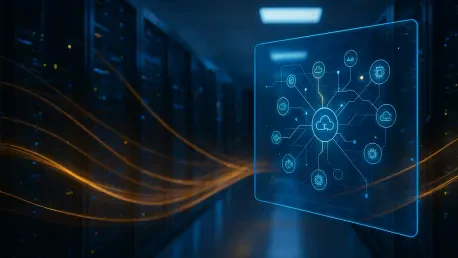
The global software landscape has officially transitioned from a period of passive digital record-keeping into a high-stakes era where autonomous intelligence dictates the competitive survival of the world's largest cloud enterprises. As the industry moves through 2026, the traditional distinction