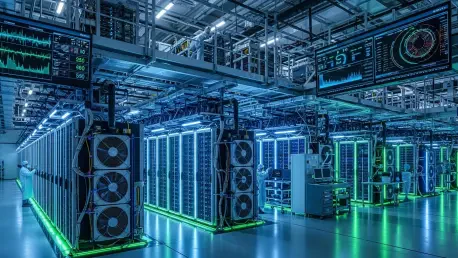

The immense computational power required to train a single large AI model now consumes as much electricity as thousands of homes, presenting California with an unprecedented challenge at the intersection of technological ambition and environmental reality. As the global epicenter of innovation, the state finds itself in a precarious position, grappling with how to support the explosive growth of artificial intelligence without overwhelming its already strained energy and water resources. This industry report analyzes the state’s measured legislative response, a strategy that prioritizes comprehensive study over immediate, restrictive regulation in a high-stakes effort to balance economic leadership with long-term sustainability.
California’s Conundrum Fueling the AI Revolution While Protecting the Grid
California has long been the engine of the global tech industry, but the AI revolution is demanding a new kind of fuel: massive, uninterrupted power. The surge in cloud computing and generative AI has created an insatiable appetite for data centers, facilities that are the physical backbone of the digital world. This boom, however, runs directly against the state’s ambitious climate goals and its ongoing struggles with grid reliability and water scarcity, creating a fundamental conflict between nurturing its signature industry and protecting its essential public resources.
This complex situation involves a diverse cast of stakeholders with often competing interests. Data center developers seek quick permitting and access to affordable, reliable power to meet market demand. Utility providers are tasked with planning and funding colossal infrastructure upgrades to support these new, concentrated loads. Meanwhile, state regulators must ensure that the costs of this expansion are not unfairly borne by residential customers, and the public remains concerned about the environmental footprint of these power-hungry facilities.
Decoding the State’s Strategy Emerging Trends and Future Projections
From Tech Hubs to Power Hogs The Shifting Legislative Mindset
The perception of data centers within the California legislature is undergoing a significant transformation. Once viewed simply as critical infrastructure for the digital economy, they are now increasingly seen as major industrial consumers of public utilities, akin to factories or refineries. This shift is forcing lawmakers to reconsider the regulatory framework that governs their development and operation, moving beyond simple zoning to address their profound impact on the state’s energy and water systems.
Rather than imposing immediate, prescriptive rules, the dominant legislative trend is a more cautious, information-gathering approach. Lawmakers have opted to mandate comprehensive studies to better understand the scale of the demand and its long-term consequences before enacting potentially burdensome regulations. This reflects an acknowledgment of the industry’s economic importance and a desire to avoid policies that could inadvertently stifle innovation or push investment to other states. Consequently, legislative debates now feature a convergence of once-separate policy streams, blending energy planning, AI governance, and sustainability compliance into a single, intricate conversation about California’s future.
The Data Driven Future Projecting the Next Wave of Regulation
Under the current legislative climate, projections for data center development in California remain strong, as the state has deliberately avoided creating immediate operational hurdles. This period of study offers a window of opportunity for continued growth, but it is widely understood to be a temporary phase. The industry should anticipate that the relative freedom of the present will give way to a more structured and demanding regulatory environment in the near future.
The findings from mandated studies, particularly the one directed by Senate Bill 57, will almost certainly become the foundation for the next wave of regulation. These data-driven insights are expected to directly shape future electricity rate design, cost-allocation mechanisms, and the stringency of the permitting process for new facilities. As AI-driven energy consumption continues its exponential rise, regulatory scrutiny is forecasted to intensify, with a focus on ensuring that this growth is managed sustainably and equitably.
The Great Balancing Act Navigating Economic Growth and Environmental Stewardship
Lawmakers face the core challenge of crafting policies that address legitimate environmental and grid stability concerns without crippling the state’s most valuable economic sector. The fear of driving investment to states with more lenient regulations, such as Nevada or Arizona, looms large over every legislative debate. This has resulted in a delicate balancing act, where the impulse to regulate is tempered by the need to maintain California’s competitive edge as the world’s premier technology hub.
The state’s cautious stance is clearly illustrated by the legislative proposals that failed to advance. Measures that would have imposed mandatory energy efficiency standards, created special electricity rate classes for high-density computing, or required expansive disclosures on water usage were all shelved. The failure of these more aggressive bills indicates a broad consensus among lawmakers that the state currently lacks the foundational data needed to implement such policies effectively and fairly without risking unintended economic consequences.
A central point of complexity is the fair allocation of grid upgrade costs. When a multi-megawatt data center requires new substations and transmission lines, the question of who pays becomes contentious. Lawmakers and regulators are wrestling with how to attribute these multi-billion-dollar costs, ensuring that massive industrial users cover their share without socializing the expense across the entire ratepayer base, which includes residential customers and small businesses.
Legislating the Boom A Tale of Two Bills and a Cautious Approach
The most significant piece of legislation to emerge from this debate is Senate Bill 57, the Ratepayer and Technological Innovation Protection Act. Instead of dictating new rules, the bill mandates that the California Public Utilities Commission (CPUC) conduct a thorough study on the impacts of large data center electricity demand, with a report due by early 2027. The study’s primary purpose is to build a factual record to determine whether the costs of serving these facilities are being fairly allocated, a crucial step before any new rate structures can be considered.
While direct operational mandates have been postponed, the push for greater transparency continues with proposals like Assembly Bill 222. If enacted, this bill would require data center operators to report key performance metrics to the California Energy Commission. These disclosures would include total energy consumption, Power Usage Effectiveness (PUE), and, critically, the specific amount of power dedicated to AI model training and operations within the state. AB 222 signals that even if financial regulations are on hold, data collection remains a high priority for lawmakers.
The legislative outcomes of the past session tell a clear story. The success of a “study” bill like SB 57, combined with the failure of more “prescriptive” bills, reveals the legislature’s current priority: to understand the problem before attempting to solve it. This deliberate, evidence-based approach has defined California’s initial response to the AI data center boom, setting the stage for more informed and targeted action in the years to come.
The Road Ahead What the Current Legislative Climate Signals for Tomorrow
As the nation’s technology and policy leader, California’s approach to managing data center growth is serving as a bellwether for the rest of the country. States from Virginia to Oregon are watching closely as California navigates this complex terrain, and the policies that emerge here will likely set a precedent for national standards and regulations. The state’s emphasis on data-driven decision-making could become a model for other regions facing similar challenges.
Future state policies will inevitably influence the market for emerging technologies within the data center industry. A regulatory environment that prioritizes energy efficiency and water conservation will accelerate the adoption of innovations like liquid cooling, more efficient power distribution systems, and AI-optimized hardware. Companies that can demonstrate superior performance in these areas will likely find themselves at a competitive advantage as permitting and operational standards tighten.
It is crucial for industry stakeholders to recognize the current “study” phase as a prelude to more direct and data-informed regulation. The outcomes of the CPUC’s comprehensive analysis and the data gathered through any new transparency mandates will trigger a new legislative chapter. Once armed with a clear understanding of the industry’s impact on the grid and ratepayers, lawmakers will be positioned to move forward with more prescriptive policies on everything from rate design to sustainability requirements.
Strategic Foresight Key Takeaways for Industry Stakeholders
This report’s primary finding was that California is strategically prioritizing data collection and deep analysis before imposing significant new operational or financial burdens on the data center industry. The state has chosen a path of measured evaluation, creating a crucial window for the industry to prepare for what will likely be a more regulated future. This period of study signals not an absence of concern, but rather a commitment to crafting well-informed and effective policy.
The long-term prospects for data center development in the state remain a complex calculus of immense opportunity and significant regulatory risk. While California offers an unparalleled ecosystem of talent and innovation, developers must now factor in the growing likelihood of stricter environmental standards and new cost structures. The ultimate viability of future projects will depend on an operator’s ability to align with the state’s goals for grid stability and sustainability.
For developers and operators, the path forward requires proactive engagement. Industry stakeholders should actively participate in the ongoing legislative and regulatory processes, particularly the CPUC study mandated by SB 57. Preparing for future mandates means beginning to track and optimize key metrics now, such as PUE and AI-specific power usage, as outlined in proposals like AB 222. By anticipating the shift toward a data-driven regulatory framework, the industry can not only ensure compliance but also help shape a sustainable future for technological growth in California.