
Bridging the gap between writing code and managing its performance in production is the core mission behind the strategic acquisition of Augment Code. As the industry moves toward a higher degree of automation, this integration represents a pivotal moment in the evolution of the software development lifecycle. By absorbing the key assets and engineering talent from Augment Code, the platform has successfully introduced the Cosmos system, which is now officially rebranded as the Harness Cosmos Software Factory Agent. This development is not merely a feature update but a fundamental shift toward a fully autonomous software factory model. In this setup, engineering tasks that were once manual—ranging from the interpretation of initial requirements to the creation of merge-ready code—are now managed by sophisticated AI agents. This transition allows organizations to move away from fragmented toolchains toward a unified ecosystem where code and operational data exist in a single, continuous stream.
Integrating Codebase Intelligence With Delivery Context
A core theme of this integration is the fusion of Augment Code’s codebase intelligence with the existing Harness Software Delivery Knowledge Graph. This combination provides AI agents with a comprehensive understanding of the entire development ecosystem, including builds, security protocols, infrastructure configurations, and deployment costs. Unlike standard AI coding tools that focus solely on syntax and local file logic, this system understands the broader context of how software reaches and survives in a production environment. By mapping dependencies across the entire enterprise, the agent can predict how a change in one microservice might affect the latency or cost of a downstream component. This level of visibility transforms the AI from a simple autocomplete assistant into a strategic partner that understands the business implications of every line of code. The intelligence layer ensures that every generated pull request is optimized for the specific environment it will inhabit.
Furthermore, the Cosmos agent utilizes historical incident data, existing test cases, and stringent security requirements to inform its coding decisions. This ensures that new changes are robust and compliant before they ever reach a human reviewer for final approval. For example, if a previous deployment in 2026 resulted in a memory leak under specific conditions, the agent references those logs to ensure the new code does not repeat the same architectural mistake. This proactive approach significantly reduces the time spent on debugging and reworking failed deployments. The system acts as an institutional memory, capturing the hard-earned lessons of senior engineers and applying them to every new project automatically. By incorporating security-by-design principles from the very first line of code, the software factory model minimizes the risk of vulnerabilities reaching the main branch. This integration creates a self-correcting system that grows smarter with every deployment.
Orchestrating an Ecosystem of Specialized AI Agents
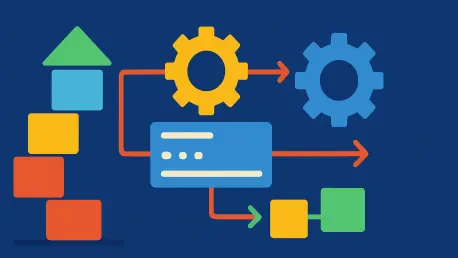
The acquisition also introduces a sophisticated feedback loop between specialized agents that operate across different stages of the lifecycle. While the Cosmos agent handles coding and pull request creation, downstream agents focused on security testing, runtime protection, and cost management evaluate the output in real-time. If these agents identify a vulnerability or a performance bottleneck, they send the detailed information back to Cosmos for immediate remediation. This fleet of agents includes specific configurations like the Project Builder, PR Author, Deep Reviewer, and PR Fixer. Teams can customize these agents to fit their unique architectural standards and regulatory requirements, ensuring that the automation remains aligned with organizational goals. This collaborative agent model mirrors the structure of a high-performing DevOps team, but operates at a speed and scale that is impossible for human counterparts to match without significant fatigue or oversight.
To ensure high reliability, the agent modified code within isolated virtual machines and repeated the testing process until all criteria were met. This environment allowed for the safe execution of complex refactoring tasks without impacting the primary development branch. Human engineers remained essential for high-level judgment and final merges, while the AI managed the repetitive, labor-intensive tasks that typically slowed down the pipeline. According to recent data from 2026 to 2027, this approach allowed organizations like United Airlines and Morningstar to accelerate software releases by up to 75 percent and reduce cloud costs by up to 60 percent. Engineering leads were encouraged to prioritize the definition of clear governance policies to oversee these autonomous agents. Implementing a phased rollout of the Software Factory Agent helped developers build trust in the AI’s decisions while they gradually offloaded the burden of routine maintenance to focus on innovation.