
Navigating the intricate web of global talent acquisition, regulatory compliance, and dynamic employee engagement has become the defining challenge for today’s human resources departments. Personnel Management Software represents a significant advancement in HR operations, evolving far beyond simple digital record-keeping. This review will explore the evolution of this technology, its key features, top-rated platforms, and the profound impact it has on modern businesses. The purpose of this analysis is to provide a thorough understanding of the software’s current capabilities and a strategic guide for organizations looking to select and implement the right solution to optimize their HR functions and drive sustainable growth.
The Strategic Role of Modern HR Software
The journey of personnel management software reflects a broader transformation within the business world itself. What began as a set of tools designed to digitize paper-based administrative tasks, such as payroll and attendance tracking, has matured into a sophisticated strategic asset. Early systems focused on efficiency by automating routine processes, but their function was largely clerical. They were systems of record, excellent at storing information but limited in their ability to provide actionable intelligence or influence corporate strategy.
In contrast, contemporary HR platforms are central to modernizing human resources and aligning workforce management with overarching business objectives. By automating the full spectrum of HR tasks—from recruitment and onboarding to performance management and offboarding—these solutions free human capital professionals to focus on higher-value initiatives like talent development, succession planning, and fostering a strong company culture. Moreover, they harness employee data to generate powerful, data-driven insights, enabling leaders to make informed decisions about workforce planning, cost management, and organizational design, thereby elevating HR from an operational support function to an indispensable strategic partner.
Core Evaluation Criteria for Selecting a Platform
Selecting the right personnel management software is a critical investment that requires a methodical evaluation of its components and capabilities. The decision-making process should be guided by a clear understanding of the organization’s unique needs, operational workflows, and long-term strategic goals. The most effective approach involves breaking down the criteria into two distinct but interconnected categories: the foundational requirements that form the bedrock of any solid system and the specific features that deliver tangible efficiency gains and strategic value.
This structured analysis ensures that the chosen platform not only solves immediate administrative challenges but also provides a scalable and flexible foundation for future growth. A successful implementation depends on finding a solution that offers a harmonious balance between robust, comprehensive functionality and an intuitive user experience for both administrators and employees. The following sections will delve into these criteria, providing a framework for identifying a platform that truly aligns with an organization’s operational and strategic imperatives.
Foundational Requirements for Selection
At the highest level, a strong personnel management system is built on a set of non-negotiable, foundational pillars. Chief among these is a user-friendly interface that ensures high adoption rates across the organization. A platform that is intuitive and easy to navigate for both HR managers and employees minimizes the need for extensive training and encourages the use of features like employee self-service (ESS) portals. These portals empower staff to manage their own information, request time off, and handle other routine tasks, significantly reducing the administrative burden on the HR department. Furthermore, the ability to customize workflows and reports is essential for adapting the software to a company’s unique processes rather than forcing the company to conform to a rigid, out-of-the-box system.
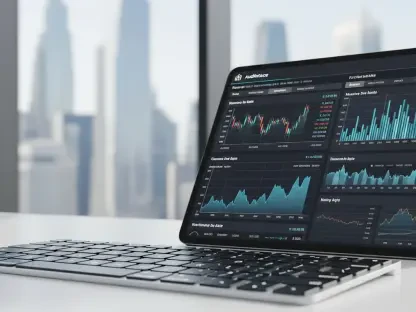
Beyond usability, the platform’s reporting and analytics capabilities are paramount to its strategic value. Modern businesses require more than just data storage; they need the ability to transform raw workforce data into actionable insights that inform critical decisions. A robust system offers customizable dashboards and powerful reporting tools that allow leaders to monitor key performance indicators related to labor costs, turnover rates, and productivity. This analytical power, combined with a comprehensive, all-in-one functional suite that integrates everything from payroll to compliance management, ensures a single source of truth, eliminates data silos, and creates a cohesive and efficient operational environment.
Essential Core and Advanced Features
The true power of a modern HR platform lies in its specific tools and functionalities designed to streamline daily operations and enhance productivity. Smart scheduling and workforce management tools are prime examples, automating the complex task of creating and managing employee schedules. These systems can factor in employee availability, skill sets, and labor regulations to optimize staffing levels, prevent overstaffing or understaffing, and simplify the process of handling time-off requests and shift swaps. This is complemented by accurate time tracking, which has moved far beyond traditional punch clocks. Today’s solutions leverage mobile apps with GPS and geofencing to ensure employees are clocking in from the correct location, providing verifiable data for both on-site and remote teams.
Equally important are the features that improve workflow efficiency and team cohesion. The ability to generate payroll-ready, digital timesheets that integrate seamlessly with payroll systems is a game-changer. This direct synchronization eliminates the need for manual data entry, a process that is not only time-consuming but also prone to costly errors. Many platforms also include integrated task management tools, allowing managers to assign duties, set deadlines, and monitor progress within the same system used for scheduling and communication. This, coupled with built-in team communication features like chat and announcement boards, creates a unified digital workspace that keeps everyone informed and aligned, fostering a more collaborative and productive environment.
Current Trends and Innovations in HR Technology
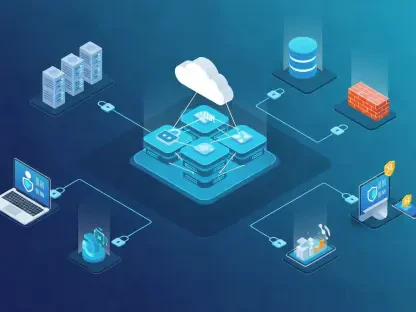
The landscape of HR technology is in a constant state of flux, driven by evolving workplace dynamics and technological advancements. One of the most significant trends is the definitive shift from on-premise, siloed software to integrated, cloud-based platforms. This move is fueled by the demand for scalability, accessibility, and a unified data ecosystem. Cloud solutions offer businesses the flexibility to grow without being constrained by hardware limitations and provide secure access to HR information from anywhere, a necessity for managing remote and hybrid workforces. This integrated approach ensures that data flows seamlessly between different modules—from recruitment to payroll to performance—creating a holistic view of the workforce.
Another key innovation is the rise of mobile-first solutions designed specifically for the growing deskless workforce in industries like retail, hospitality, and logistics. These platforms recognize that a significant portion of the global workforce does not operate from a traditional office and requires tools optimized for on-the-go access. Consequently, mobile apps have become a standard offering, providing full functionality for tasks such as clocking in, swapping shifts, communicating with managers, and accessing company resources. Alongside this, there is an increasing reliance on advanced analytics and artificial intelligence. Modern systems are leveraging AI to move beyond descriptive reporting toward predictive analytics, helping organizations forecast future staffing needs, identify flight risks, and make more strategic decisions about talent management.
Leading Software Solutions by Use Case
With a crowded marketplace, selecting the right software often comes down to identifying a solution tailored to a specific organizational need. For businesses seeking a versatile, all-in-one Human Resource Management (HRM) system, platforms like Checkwriters offer a strong balance of features that simplify everything from hiring and compliance to remarkably fast payroll processing. In contrast, companies navigating the complexities of a global workforce will find a specialist like Deel indispensable. Deel excels at international payroll, supporting payments in over 150 countries while automating the intricate compliance requirements associated with cross-border labor laws.
The composition of the workforce is another critical differentiator. For organizations with a large deskless employee base, a mobile-first platform like Connecteam is ideal. Its robust tools for job scheduling, task management, and team communication are all optimized for use on mobile devices. For small to midsized businesses (SMBs), BambooHR is highly recommended for its user-friendly interface and strong applicant tracking system, while Gusto offers a simplified yet powerful solution for startups. As organizations scale, enterprise-grade systems like ADP Workforce Now and Rippling provide powerful, customizable solutions. Meanwhile, large enterprises may turn to SAP SuccessFactors HCM for its advanced “human experience management” tools, and companies already invested in the Zoho ecosystem will find Zoho People to be a seamless cloud-based extension.
Implementation Challenges and Cost Considerations
Despite the clear benefits, the path to implementing a new personnel management system is not without its challenges. One of the primary hurdles is the selection process itself. Organizations must conduct a thorough needs analysis to avoid choosing a platform that is either too simplistic for their requirements or overly complex and laden with unnecessary features. The financial investment is another significant consideration. Pricing is typically structured on a per-user, per-month basis, with costs ranging from as low as $8 for basic plans to over $50 for comprehensive, enterprise-level solutions. Most providers use a tiered model, where the cost scales with the number of employees and the feature set included.
Beyond the subscription fee, businesses must be vigilant about potential hidden costs. These can include one-time implementation or setup fees, charges for data migration, costs for training, and additional fees for premium support or access to advanced modules. It is crucial to obtain a detailed and transparent quote that outlines all potential expenses. Ultimately, the goal is to align the budget with the expected return on investment (ROI). This involves not only calculating the direct software costs but also quantifying the anticipated savings from increased efficiency, reduced administrative errors, and improved employee retention.
The Future of Personnel Management Technology
Looking ahead, the evolution of personnel management technology is set to accelerate, further transforming the role of HR into a core strategic function. A dominant trend will be the deeper integration of artificial intelligence and machine learning for predictive analytics. Future systems will move beyond simply reporting on past events to actively forecasting workforce trends, identifying potential skills gaps before they become critical, and personalizing the employee experience based on individual career aspirations and performance data. This will enable HR teams to become more proactive and strategic in their talent management efforts.
Furthermore, the industry is moving toward a more holistic concept of “human experience management” (HXM). This approach places the employee at the center, designing processes and tools that are not only efficient but also engaging, intuitive, and supportive of employee well-being. We can expect to see platforms that integrate wellness features, continuous feedback mechanisms, and personalized learning and development paths. The long-term impact of these advancements will be the complete transformation of the HR department from a primarily administrative function to a strategic driver of organizational culture, employee engagement, and overall business performance.
Conclusion and Final Recommendations
The current landscape of personnel management software confirmed its status as an indispensable asset for modern business operations. The analysis revealed that the transition from a simple administrative tool to a strategic platform is not just a trend but a fundamental shift in how organizations manage their most valuable resource: their people. By automating routine tasks, these systems have successfully liberated HR professionals to focus on more impactful initiatives, such as talent development and corporate culture, which are critical for long-term success.
Ultimately, the selection and implementation of a personnel management system proved to be a transformative decision. The most successful adoptions occurred when organizations conducted a meticulous needs-based evaluation, ensuring the chosen platform aligned with their specific size, industry, and workforce composition. The tangible benefits—including streamlined administration, enhanced employee engagement, and data-driven strategic insights—underscored the technology’s profound potential. The right software does more than just improve efficiency; it fosters a more empowered and productive workforce, laying the groundwork for sustained growth and a competitive advantage in the years to come.