
The rapid proliferation of autonomous software agents has officially outpaced the ability of manual oversight to maintain organizational control over digital assets. As enterprises increasingly rely on complex webs of AI-driven workflows, the boundary between cloud infrastructure and application management has effectively vanished. This transition necessitates a departure from the fragmented governance strategies of the past toward a unified, intelligent framework. The emergence of the Agentic Governance OS marks a definitive shift in how modern businesses approach security and cost management in an increasingly automated world.
The Convergence of Cloud and SaaS Governance in the AI Era
Traditional management silos are rapidly dissolving as organizations recognize that cloud resources and SaaS applications are two sides of the same operational coin. In the current landscape, a strategic shift is underway, moving from decentralized oversight to unified AI-native governance frameworks that treat the entire digital stack as a single entity. This integration is no longer a luxury but a requirement for survival in an environment where a single unmonitored AI agent can trigger significant financial or security risks.
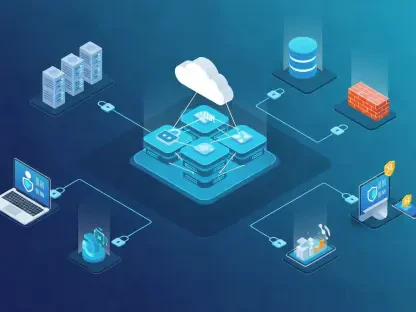
The significance of the Agentic Governance OS lies in its ability to act as a central nervous system for hybrid digital environments. By bridging the gap between underlying infrastructure and the high-level applications that sit atop it, CoreStack and BetterCloud are providing the visibility needed to manage autonomous agents effectively. This unified control plane ensures that organizational security and financial stability are maintained without slowing down the pace of innovation or deployment.
Market Dynamics and the Evolution of Autonomous Operations
Trends Redefining Enterprise Governance and AI Integration
We are witnessing the rise of agentic architectures where software agents execute complex business tasks with minimal human intervention. This move toward autonomy has forced a shift from manual oversight to machine-speed governance, matching the velocity of AI-driven workflows that operate in milliseconds. However, this speed brings the challenge of shadow AI, where unauthorized tools become a primary security concern for IT departments worldwide.
Modern enterprises now demand a balance often described as velocity with control, seeking to harness the power of digital transformation without losing their grip on compliance. As tools become more sophisticated, the need for comprehensive discovery systems has grown. These systems must identify every active agent and application within a network, ensuring that no hidden processes are operating outside the established corporate policy or safety guardrails.
Growth Projections for the Unified Governance and FinOps Sector
The market footprint of this combined entity is staggering, currently governing roughly $6 billion in cloud consumption and $35 billion in SaaS expenditure. Performance indicators for the SaaS Management Platform and FinOps markets suggest a robust upward trajectory through 2028, as more companies abandon manual spreadsheets in favor of automated tracking. The demand for a single system of record for enterprise-wide risk management is driving this adoption at an unprecedented rate.
Global cloud ecosystems, including AWS, Azure, and Google Cloud, continue to expand their reach, further fueling the need for cross-platform governance tools. Forecasts indicate that organizations adopting unified platforms will see a marked improvement in total value management compared to those using disparate tools. This trend is particularly evident in large-scale enterprises where the sheer volume of digital transactions makes manual audit processes functionally impossible.
Overcoming the Governance Gap and Integration Complexities
The transition from managed to autonomous operations has created a governance gap that poses significant risks to business continuity. When autonomous systems act independently of human oversight, they can inadvertently breach compliance standards or exceed budgetary limits. To mitigate these risks, strategies must be implemented that allow for real-time monitoring of agent behavior, ensuring that every automated action aligns with the broader organizational intent.
Navigating the technical hurdles of merging identity-centric SaaS management with infrastructure-heavy cloud governance requires a cohesive fabric of control. This fabric eliminates the silos that traditionally separated IT, finance, and security departments. By creating a shared language for governance, organizations can ensure that a change in a SaaS permission level is reflected in the cloud security posture immediately, preventing vulnerabilities from being exploited during the transition.
Navigating the Regulatory Landscape and Compliance Standards
Evolving AI regulations are placing increased pressure on how automated decision-making and agentic workflows are governed across borders. Organizations must maintain compliance through human-defined but machine-executed policy enforcement to avoid heavy fines and reputational damage. This approach allows leaders to set the rules once while the platform handles the tedious task of ensuring every digital interaction adheres to those specific standards.
Strengthening security measures involves protecting sensitive data across interconnected SaaS and cloud layers, which often serve as entry points for cyber threats. Standardized guardrails are becoming the global benchmark for meeting data privacy and financial reporting requirements. By embedding these guardrails directly into the governance OS, companies can automate their reporting processes and provide auditors with a clear, immutable trail of all autonomous activities.
The Future of Enterprise Technology: Proactive and Intelligent Orchestration
The industry is moving toward self-healing infrastructure where proactive risk mitigation replaces reactive troubleshooting. Innovation in this space focuses on bridging the financial gap between infrastructure costs and SaaS expenditures to provide total value governance. Potential market disruptors, such as decentralized AI models and shifting global economic conditions, will continue to influence how and where technology budgets are allocated in the coming years.
Looking ahead, AI-native platforms are expected to act as the central brain of the modern enterprise, coordinating resources with precision. This shift toward intelligent orchestration means that systems will not only report on problems but also suggest or implement solutions autonomously. Such a proactive stance allows businesses to focus on strategic growth rather than the day-to-day maintenance of their digital environment.
Strategic Outlook for the Agentic Governance OS
The synergy between cloud autonomy and identity-centric expertise has provided a clear roadmap for the future of enterprise management. IT and finance leaders should prioritize the optimization of technology spend by embracing platforms that offer a holistic view of their digital ecosystem. The acquisition served as a catalyst for a new era of integrated operations, proving that the most successful organizations will be those that can govern at the speed of their own innovation. Stakeholders who invested in these unified frameworks early gained a significant competitive advantage in maintaining secure and cost-effective autonomous workflows. Moving forward, the focus must remain on refining these intelligent systems to ensure they continue to scale alongside the ever-growing complexity of global digital commerce.