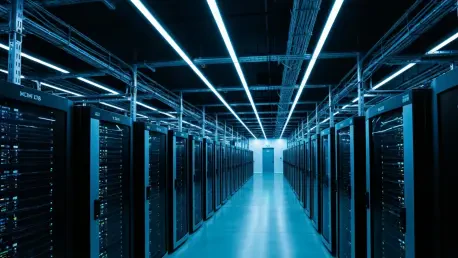

As the digital world’s demand for artificial intelligence rapidly intensifies, a powerful coalition of environmental organizations has sounded the alarm, arguing that the physical infrastructure powering this revolution poses a direct threat to the nation’s energy grids, water supplies, and economic stability. The meteoric rise of AI has ignited a construction boom for data centers, sprawling complexes of servers and cooling systems that consume astonishing amounts of electricity and water. This unchecked expansion, once a niche industrial concern, has now erupted into a national debate, pitting technological progress against environmental sustainability and community welfare.
Is the AI Revolution About to Overload Our Power Grid
The insatiable energy appetite of AI is placing unprecedented strain on the U.S. power grid. Projections indicate that the electricity demand from data centers is set to nearly triple over the next decade, soaring from 40 gigawatts today to an estimated 106 gigawatts by 2035. This surge is equivalent to adding the power consumption of tens of millions of homes, a demand that current infrastructure was not designed to handle. This has prompted warnings from energy experts about potential grid instability and the need for massive, costly upgrades.
This expansion is not evenly distributed, creating regional hotspots of intense energy consumption. States like Virginia, Pennsylvania, Ohio, Illinois, and New Jersey are becoming epicenters of data center development, often in rural or suburban areas. As utility companies scramble to meet this new demand, they are increasingly delaying the retirement of fossil fuel plants and proposing new gas-fired power stations, a move that critics argue directly undermines national climate goals and locks communities into decades of continued pollution.
Behind the Boom Why Data Centers Have Become a Flashpoint
The core of the conflict lies in the resource-intensive nature of data center operations. Beyond their immense electricity usage, these facilities require millions of gallons of water daily for cooling, placing a heavy burden on local water resources, particularly in regions already facing drought conditions. This dual consumption of power and water has transformed these once-unseen digital factories into highly visible and controversial industrial sites, fundamentally altering the landscape of communities that host them.
What was once a concern limited to environmental experts and tech insiders has now become a mainstream issue. As proposals for new, larger data centers appear in towns across the country, residents are increasingly vocal about the local impacts. The shift from a niche technological development to a widespread public concern is driven by the tangible consequences of this boom, from the noise of cooling systems to the strain on public utilities that serves both the data center and the surrounding homes.
The Coalitions Stand A Nationwide Halt to Unchecked Expansion
In response to these growing pressures, a broad alliance of over 230 environmental and community groups, including prominent organizations like Greenpeace and Friends of the Earth, has issued a formal call for federal intervention. This coalition represents a unified front, consolidating widespread local opposition into a coordinated national movement aimed at reining in the industry’s rapid growth.
Their central demand, articulated in a public letter to the U.S. Congress, is for a national moratorium on the approval and construction of new large-scale data centers. The letter argues that the current pace of development is disrupting communities and jeopardizing the economic, environmental, and water security of Americans. This proposed pause is not an outright ban but a call for a temporary halt to allow for a comprehensive assessment of the cumulative impacts and the development of responsible regulations.
The Tangible Impact How Data Center Growth Affects Your Wallet and Your Town
For many Americans, the most immediate consequence of the data center boom is a higher utility bill. Electricity prices have already increased by 13% this year, a trend directly linked to the surging industrial demand. This concern is widespread, with a recent survey revealing that eight out of ten consumers worry that the proliferation of data centers will further inflate their energy costs, straining household budgets.
This anxiety is fueling community uprisings. In Detroit, residents protested a utility’s plan to power a 1.4-gigawatt data center complex for OpenAI and Oracle, citing fears of higher bills and excessive water use. Similarly, a contentious town council meeting in Wisconsin over another proposed data center for the same tech giants resulted in three arrests, illustrating the escalating tensions as communities push back against projects they believe will harm their quality of life and economic well-being.
Charting a Course Strategies for a Sustainable Digital Future
Proponents of the moratorium frame it as a necessary “pause button” to foster responsible planning. They argue that a temporary halt would provide policymakers, utility companies, and local communities with the time needed to develop sustainable strategies for integrating data centers into the energy and water infrastructure. This includes exploring requirements for renewable energy use, water-efficient cooling technologies, and strategic site selection that minimizes community impact.
Ultimately, the growing power of local action is forcing a national reckoning. By organizing, protesting, and demanding greater transparency, citizens are challenging the long-held assumption that technological expansion must come at any cost. These grassroots movements have successfully delayed or defeated several proposed projects, demonstrating that community engagement can be a powerful force in shaping a more equitable and sustainable digital future. The debate shifted from a technical problem to a public referendum on the true price of progress.