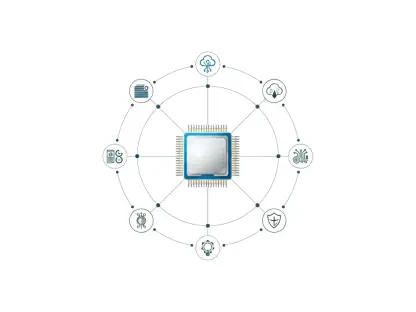

For more than two decades, the expansion of the enterprise software sector has been inextricably linked to the steady growth of corporate headcounts and user-based licensing. This fundamental relationship served as the bedrock of the Software-as-a-Service industry, providing investors with the

The long-standing architectural pillar of the software industry, known as seat-based licensing, has finally crumbled under the weight of autonomous agents that perform work faster than any human operator could ever hope to achieve manually. This disruption marks the definitive end of the

The rapid industrialization of machine learning has transformed the corporate data center into a high-velocity AI factory, yet this shift has simultaneously expanded the digital attack surface to an unprecedented scale. Organizations are no longer merely defending static databases; they are now
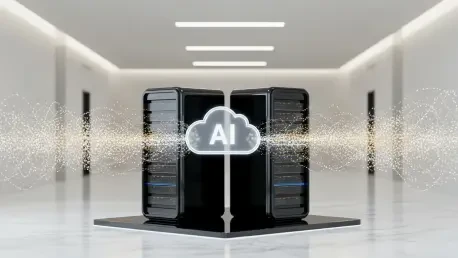
The rapid evolution of autonomous AI agents has forced modern enterprises to choose between the raw computational power of the cloud and the localized security of internal infrastructure. As businesses move beyond experimental chatbots toward fully integrated agentic systems, the competition

Software procurement teams no longer spend hours scrolling through pages of blue links; instead, they trust AI-driven synthesis to curate their entire tech stack. This fundamental shift from traditional search engine results to generative answer engines has forced a total re-evaluation of how

The modern corporate perimeter has effectively dissolved, replaced by a complex web of decentralized devices where the line between human productivity and autonomous machine intelligence is increasingly blurred. As enterprises navigate this landscape, the transition from traditional antivirus to