

The traditional corporate dashboard, once the glowing altar of modern productivity, is rapidly fading into a relic of a bygone manual era. For decades, the primary value of enterprise software was measured by the elegance of its user interface and the ease with which a human could navigate its

The State of SaaS: Resilience Amidst Market Turbulence The striking divergence between public equity valuations and the actual operational health of modern software firms reveals a rare disconnect that seasoned capital allocators are beginning to exploit. Modern enterprises rely on software for

The traditional boundaries between massive data storage and real-time security operations have finally collapsed as Databricks transitions from a data engineering powerhouse into a primary cybersecurity contender. By launching Lakewatch, the company has effectively weaponized its $5 billion funding

The rapid integration of high-fidelity generative artificial intelligence into consumer editing suites has fundamentally altered the competitive dynamics between legacy software providers and agile social media giants like ByteDance. By embedding the advanced Dreamina Seedance 2.0 model directly
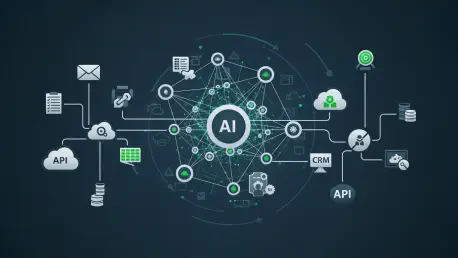
The era of navigating through dozens of disparate browser tabs to finish a single task ended as autonomous agents took over the heavy lifting of enterprise workflows. For decades, the Graphical User Interface (GUI) functioned as the indispensable bridge between human intention and binary data. This

The relentless velocity of cloud software updates has finally outpaced the capacity of manual human oversight, forcing a fundamental reckoning for global enterprises that rely on sprawling ERP ecosystems like Oracle Fusion and Workday. As organizations transition from the static nature of legacy