
Vijay Raina is a distinguished authority in the enterprise SaaS sector, renowned for his deep understanding of software design and the architectural frameworks that power modern technology. With an extensive background in developing scalable tools for complex markets, he offers a unique perspective on the intersection of artificial intelligence and daily consumer utility. In this conversation, we explore the evolving landscape of communication technology, specifically how AI is moving beyond simple identification to become an active participant in managing our digital lives. We delve into the technical complexities of localized AI, the strategic implications of creative venture capital structures, and the future of proactive software agents that promise to reclaim our time from the relentless noise of the modern world.
Managing a heavy volume of daily spam and service calls often creates a significant mental burden for users. How do you see AI assistants fundamentally changing our relationship with our smartphones and the constant stream of incoming communication?
The constant barrage of calls is more than just an annoyance; it is a persistent drain on cognitive resources, especially in a high-intensity market like India. By deploying an assistant that can manage over a million monthly active users, we are seeing a shift where the smartphone stops being a source of stress and starts acting as a protective barrier. When you have 300,000 daily active users relying on an app to handle the “dirty work” of answering unknown numbers, the user regains a sense of agency. The magic happens in the orchestration layer where the AI doesn’t just block a call, but actually engages with it, offering quick replies like “leave it with the neighbor” to a delivery driver. This transforms a potentially frustrating interruption into a silent, transcribed notification that provides immediate value without requiring a single spoken word from the owner.
The linguistic landscape in India is incredibly diverse, often involving “code-mixing” where multiple languages are blended. What are the architectural challenges in building an AI that can support over 10 languages while maintaining high accuracy?
Designing for a multilingual environment is one of the steepest mountains to climb in software architecture because it requires a sophisticated mix of speech recognition and generation models. You aren’t just translating words; you are building an orchestration layer that must understand the cultural nuances and rapid shifts between languages that occur mid-sentence. Supporting over 10 languages means the system must be agile enough to process these “code-mixed” interactions in real-time, ensuring the transcription and summary are actually useful. It’s a sensory experience for the technology, where it has to “hear” the intent behind a blend of English and native dialects to provide a seamless result. If the AI fails to catch the specific context of a financial service call versus a casual delivery, the trust is broken, so the technical stack must be exceptionally robust to handle that complexity.
The recent $30 million Series B funding for Equal AI was structured in three tranches with varying valuations. From a business architecture perspective, what does this tell us about the current investment climate for AI startups?
This type of structured funding, which has helped the company reach over $42 million in total capital, reflects a more disciplined and milestone-driven approach from venture capitalists today. By tying equity prices to predetermined targets, investors like Prosus Ventures are essentially de-risking their bets while still providing the fuel needed for aggressive growth. It is a fascinating strategic maneuver that allows a startup to highlight its highest potential valuation while remaining grounded in actual performance metrics. For a company founded in 2022, this structure provides a clear roadmap for scaling from a data-sharing origin into a consumer-facing powerhouse. It signals that while the “AI hype” is real, the sophisticated money is looking for sustainable growth and a clear path to user stickiness before fully committing at the highest price points.
Equal AI is planning to move beyond just screening unknown calls to taking proactive actions like booking appointments and texting addresses. How does this transition from a passive filter to a proactive agent redefine the value proposition of a personal assistant?
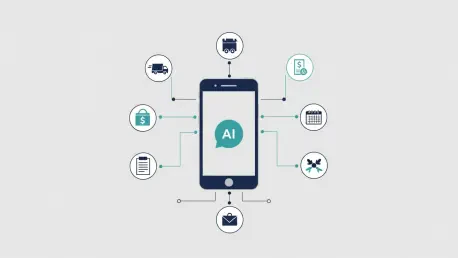
Moving into proactive territory is the true “north star” for personal software because it moves the AI from a defensive tool to an offensive utility. Imagine the relief of having an assistant that doesn’t just tell you someone is calling to book an appointment, but actually checks your availability and handles the scheduling on your behalf. This evolution requires a deep level of user consent and a sophisticated iOS and Android presence, but it creates a “sticky” ecosystem that is very hard for users to leave. By adding a paid subscription tier for these advanced features, the company creates a sustainable business model that moves away from being a mere utility to becoming an essential lifestyle partner. It effectively positions the software to compete with giants like Google and Apple by offering a localized, hyper-specific service that feels more like a dedicated human secretary than a generic piece of code.
What is your forecast for AI agents in the consumer communication space?
I anticipate a significant move away from platform dependency, as we have seen how risky it can be to rely solely on third-party messaging apps that can be restricted at any moment. The winners in this space will be the ones who own the dialer and the direct interface, using their own orchestration layers to provide context that global tech giants might overlook. We will see a surge in specialized assistants that handle 10 or 20 specific use cases with 99% accuracy rather than general tools that try to do everything poorly. In the next few years, the “ringing phone” will become a relic of the past for most people, as AI agents will filter, resolve, and summarize 90% of our daily interactions before we even look at our screens. This will lead to a new era of “intentional communication,” where we only pick up the phone for the people and conversations that truly matter to us.