
Markets punished software stocks this quarter, but the contracts did not. That gap affects valuations, deal velocity, and the choices product leaders make over the next twelve months. The signal is clear. The sector is not collapsing. It is sorting. Software that only wraps a database is at risk.

SaaS is now one of the fastest-growing operating expenses in mid-market and enterprise budgets, often sitting behind payroll and cloud infrastructure. Yet most finance teams still manage it with a procurement playbook built for perpetual licenses. That mismatch is expensive. The average company now

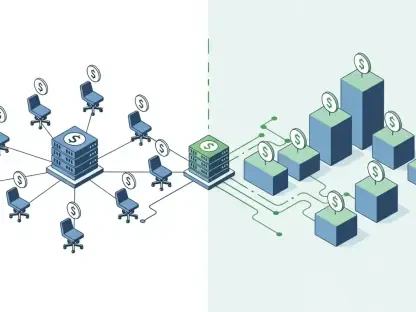
The traditional software-as-a-service model, once defined by the predictable cadence of per-seat licensing, has officially collided with the relentless computational demands of agentic artificial intelligence. This intersection has forced a fundamental decoupling of value from human headcount, as

The SaaS graveyard is crowded. For every Salesforce or Slack, dozens of well-funded products with capable teams quietly shut down. The pattern is consistent: strong launch momentum followed by stagnant growth, pricing confusion, and a slow realization that product-market fit was never truly

The traditional seat-based licensing model that dominated the software industry for decades is rapidly losing its relevance as organizations demand a more direct correlation between their financial expenditures and the tangible value they extract from digital tools. This fiscal evolution is driven

Enterprise software teams have a new infrastructure layer to manage. AI agents are no longer experimental features tacked onto existing products. They are becoming core service components that B2B software vendors must design, instrument, and support with the same rigor applied to APIs,