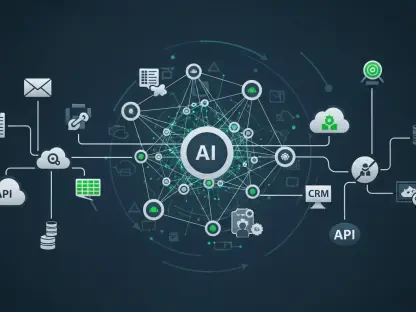

The rapid transition from basic cloud storage to complex, high-density computing has left many enterprises struggling to manage the fragmented nature of modern digital infrastructure. As artificial intelligence moves from a speculative research phase into a critical production requirement, the traditional methods of provisioning virtual machines have become increasingly obsolete. This shift necessitates a new breed of management platforms that can unify disparate resources into a single, cohesive ecosystem. ABnet Communication Ltd. has responded to this need with the Velaris Cloud Marketplace, a sophisticated web-based platform designed specifically for the orchestration of hybrid cloud and AI workloads. This review examines how Velaris functions as a vital control layer in a world where specialized compute power has become the most valuable currency.
The Evolution of Cloud Management and the Introduction of Velaris
The launch of Velaris marks a departure from the era of manual cloud administration toward an integrated, policy-driven environment. Historically, IT departments were forced to navigate multiple dashboards for different providers, leading to operational silos and inefficient resource utilization. ABnet’s new platform addresses these friction points by consolidating hybrid cloud assets and AI-specific hardware into a unified workspace. This development is not merely about convenience; it is a strategic response to the growing complexity of infrastructure where “one size fits all” cloud solutions no longer suffice.
In the current landscape, organizations are moving away from simple compute instances toward high-density orchestration that supports massive data throughput. Velaris is positioned as the primary interface for this transition, allowing teams to treat their diverse cloud footprint as a single entity. By abstracting the underlying complexity of different vendors, the platform enables engineers to focus on deployment rather than the logistics of procurement. This shift is essential for enterprises that require agility to stay competitive while scaling their digital operations across global markets.
Core Capabilities and Specialized Infrastructure Management
Unified Orchestration and Procurement Framework
At its heart, Velaris operates as a centralized marketplace that simplifies the entire lifecycle of cloud service acquisition. Unlike traditional procurement processes that involve lengthy negotiations and manual setup, this platform allows for rapid provisioning through a single interface. This capability is particularly significant for businesses operating in multi-cloud environments, as it provides a standardized way to manage services from various providers without needing specialized knowledge for each individual portal.
The performance of this procurement engine is a major differentiator, reducing the time from resource identification to active deployment. By providing a transparent view of available services and their associated costs, Velaris empowers decision-makers to make informed choices based on real-time data. This level of integration ensures that the infrastructure remains aligned with business objectives, preventing the “shadow IT” phenomenon where decentralized teams procure resources independently of corporate oversight.
GPU-Heavy Workload and HPC Optimization
Modern AI applications, particularly those involving Large Language Models and complex data pipelines, demand an unprecedented amount of high-performance computing power. Velaris excels in managing these high-density resources, offering specialized tools for GPU-heavy workloads that are often difficult to source and maintain. The platform provides a streamlined path for AI inference and production-scale deployments, ensuring that the hardware is utilized at maximum efficiency.
This focus on optimization is crucial because the technical hurdles of managing high-performance computing resources often stall AI projects before they reach maturity. Velaris mitigates these issues by providing a framework that handles the intensity of these workloads, allowing for smoother transitions between development and production. The ability to dynamically allocate and scale these specialized resources ensures that projects do not hit performance bottlenecks during critical phases of their lifecycle.
Governance and Operational Monitoring Tools
Effective cloud management requires more than just procurement; it demands rigorous oversight to maintain financial and operational health. Velaris includes built-in governance tools that provide deep visibility into resource allocation and performance metrics. These tools allow administrators to track exactly where their budget is being spent and how effectively the infrastructure is performing. Such transparency is vital for maintaining financial discipline, especially in large-scale AI projects where costs can spiral if left unmonitored.
Moreover, these monitoring capabilities enable proactive management, identifying potential issues before they impact the end-user experience. By offering a consolidated view of the entire hybrid environment, Velaris allows for more precise adjustments to resource limits and performance thresholds. This data-driven approach to governance ensures that every dollar spent on cloud infrastructure contributes directly to the organization’s operational goals, fostering a culture of accountability across technical teams.
Industry Shifts: The Transition to AI-First Digital Infrastructure
The technological sector is currently witnessing a fundamental move toward “unified control layers” that prioritize specialized hardware over generic compute cycles. This transition is driven by the insatiable appetite for data processing power required to train and run sophisticated AI models. As a result, the demand for specialized platforms like Velaris has surged, as they provide the necessary bridge between legacy architectures and the future of AI-first digital infrastructure.
This industry shift is also characterized by an increasing reliance on massive data pipelines that require low-latency access to high-performance resources. The current trend suggests that successful enterprises will be those that can most effectively harness these specialized hardware pools while maintaining the flexibility of a hybrid cloud model. In this context, Velaris serves as more than just a marketplace; it acts as an enabler for the next generation of digital services that are built on the foundation of automated, high-density compute.
Practical Implementations and Sector-Specific Use Cases
The real-world value of Velaris is most evident in its ability to move AI projects from experimental sandboxes to full-scale enterprise production. For instance, in sectors like high-frequency finance or genomic research, the platform’s ability to orchestrate massive data processing tasks is a game-changer. These industries require reliable, hybrid cloud architectures where specialized compute power is not an option but a necessity for daily operations.
Beyond specialized research, the platform also proves beneficial for large-scale retail and logistics companies that utilize AI for real-time supply chain optimization. By providing the tools to manage these complex workloads across different geographical regions, Velaris helps organizations maintain a consistent performance standard regardless of where their data resides. This versatility makes it an attractive option for any business looking to integrate advanced AI capabilities into their core operational framework.
Navigating the Obstacles of Specialized Compute Sourcing
Despite its strengths, the technology faces significant challenges, particularly regarding the global shortage of high-density compute hardware. Sourcing GPUs and other specialized chips remains a major hurdle for even the largest cloud providers, which can sometimes limit the immediate availability of resources within the marketplace. Furthermore, the technical complexity of managing disparate hybrid environments means that users must still possess a high degree of technical expertise to fully leverage the platform’s capabilities.
ABnet is actively working to mitigate these limitations by enhancing its governance tools and consolidating its management features. These ongoing development efforts are aimed at making the platform more intuitive while providing better forecasting tools to help organizations plan for hardware availability. By addressing these technical and logistical hurdles, the platform continues to evolve into a more resilient solution for the complexities of modern cloud sourcing.
The Future of Autonomous Cloud and AI Orchestration
Looking forward, the trajectory for Velaris and similar platforms points toward a future defined by autonomous resource allocation. The integration of machine learning into the management layer itself could soon allow these marketplaces to automatically predict resource needs and provision hardware before a performance dip even occurs. This level of automation will be critical as the global AI-driven economy continues to scale and the demand for compute power becomes even more volatile.
The long-term impact of these consolidated management tools will likely be a total transformation of how digital transformation is executed on a global scale. As the administrative burden of managing multi-cloud environments decreases, more resources can be redirected toward innovation and the development of new AI applications. This shift will accelerate the growth of the digital economy, making high-performance computing as accessible and manageable as electricity is today.
Final Assessment: Velaris’s Impact on the Enterprise Ecosystem
The introduction of Velaris proved to be a pivotal moment for enterprises seeking to achieve multi-cloud maturity. By providing a unified interface that bridged the gap between traditional cloud services and high-performance AI hardware, ABnet set a new standard for transparency and scalability. The platform’s ability to consolidate procurement, orchestration, and governance into a single framework addressed the most pressing pain points of modern IT departments.
As organizations continue to navigate the complexities of a data-driven world, the lessons learned from Velaris’s implementation will be invaluable. The platform demonstrated that the key to scaling AI lies not just in the hardware itself, but in the efficiency of the management layer that controls it. Moving forward, the industry will likely see a deeper integration of these management tools, further democratizing access to the high-density compute power necessary for global digital advancement.