
The intricate web of physical and digital assets that underpins modern industry is reaching a critical inflection point where traditional management practices are no longer sufficient. From sprawling data centers to complex manufacturing floors, modern infrastructure is the backbone of the global economy. However, conventional, siloed management approaches are failing to keep pace with digital demands. This analysis explores the rise of Intelligent Infrastructure Management—a transformative trend that unifies operational technology (OT), information technology (IT), and AI to create resilient, predictive, and sustainable operations. The market drivers, real-world applications, and the future of this critical field will be examined.
The Ascent of Integrated Management Ecosystems
Market Shift Toward Unified Data and AI
A fundamental shift is underway in how organizations approach infrastructure oversight. Markets across the globe, particularly in rapidly developing regions like Southeast Asia, are demonstrating a growing demand for single, unified solutions that integrate historically separate OT and IT systems. This movement signifies a clear market pivot away from reactive, break-fix maintenance models that address problems only after they occur. Instead, the focus is now on predictive, intelligence-driven operational strategies that anticipate issues, optimize performance, and prevent costly downtime.
This evolution is fueled by a significant uptick in the adoption of platforms that provide a “Unified Data & AI Fabric.” Such a fabric creates a continuous intelligence layer, effectively connecting physical assets with advanced analytics. The primary motivation behind this trend is the pursuit of greater operational efficiency, the need for complete real-time visibility across all assets, and the demand for enhanced decision-making capabilities. Organizations are recognizing that isolated data streams are a liability, whereas an integrated data ecosystem is a powerful strategic asset.
Real-World Application The PleoData Strategy
A compelling case study of this trend in action is PleoData’s cohesive ecosystem, which combines four specialized platforms into a single, comprehensive operational framework. This integrated suite includes PleoService, a Gen-AI-assisted IT Service Management (ITSM) tool for streamlining incident response; PleoMaintenance, a Computerized Maintenance Management System (CMMS) for predictive asset care; PleoGram, an energy and sustainability management tool for real-time analytics; and PleoVisitor, an enterprise-grade visitor management system for high-security facilities. This integration eliminates operational silos, providing a holistic view of infrastructure performance.
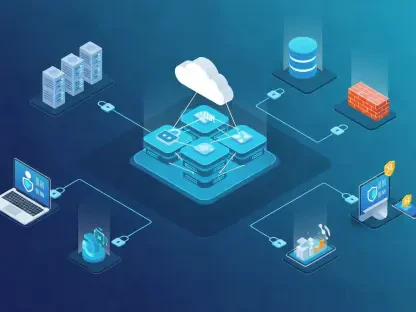
The power behind such ecosystems is often amplified by robust cloud technology. For instance, leveraging the Microsoft Intelligent Cloud Stack, which includes tools like Power BI, Azure Databricks, and Fabric, enables organizations to achieve a new level of operational insight. By building on this stack, companies can transform disparate data sources—from facility sensors and maintenance logs to enterprise resource planning systems—into actionable, real-time intelligence. This capability allows them to not only monitor performance but also to accurately predict future outcomes, turning data into a proactive management tool.
The Strategic Imperative Converging OT and IT
A strong consensus is forming among industry leaders: the most significant differentiator in modern infrastructure management is the ability to bridge the historical gap between Operational Technology and Information Technology. This convergence is about more than just connecting systems; it involves creating a unified data language between the physical world of building systems, sensors, and machinery (OT) and the digital realm of enterprise applications, cloud platforms, and advanced data analytics (IT). Successfully merging these two domains is the cornerstone of any intelligent management strategy.
This convergence creates a dynamic feedback loop that fuels a state of “continuous intelligence.” In this model, operational data from OT systems continuously informs and trains AI models within the IT environment. In turn, the insights generated by these models are used to automate and optimize workflows, from adjusting HVAC settings for energy efficiency to scheduling preventive maintenance before a component fails. This cycle is essential for achieving complete real-tme visibility, enabling accurate predictive maintenance, and fostering seamless collaboration between operations, engineering, and leadership teams.
The Future of Intelligent Infrastructure
Projected Developments and Long-Term Benefits
Looking ahead, the role of artificial intelligence is set to evolve dramatically. AI, particularly Generative AI, is expected to expand beyond its current function in analytics to autonomously drive and automate highly complex operational workflows. This could range from intelligently dispatching technicians for incident resolution to dynamically optimizing a data center’s energy consumption based on real-time electricity pricing and cooling demands. This shift promises to unlock unprecedented levels of efficiency and operational autonomy.
Moreover, future intelligent platforms will become central to achieving corporate sustainability mandates. By providing precise, granular data on energy consumption and resource allocation, these systems will empower organizations to meet ambitious carbon-reduction targets. This capability extends beyond mere reporting; it enables proactive optimization that simultaneously builds more resilient and future-ready operations. Sustainability and operational excellence will no longer be separate goals but intertwined outcomes of a single, intelligent management system.
Inevitable Challenges and Broader Implications
Despite the clear benefits, the path to implementation is not without its hurdles. Organizations will face significant challenges related to integrating modern IT platforms with legacy OT systems, which often lack standardized communication protocols. Furthermore, ensuring robust cybersecurity across these newly converged networks is a paramount concern, as a breach in one domain could cascade into the other. A critical, and often underestimated, challenge is the need to upskill the workforce to manage and interpret data-centric operations effectively.
This trend is also poised to redefine professional roles across the industry. The responsibilities of facility managers, data-center operators, and manufacturing leaders are shifting away from manual oversight and toward strategic, data-driven decision-making. Success in this new paradigm will depend on an organization’s ability to foster a culture that embraces data as a core operational asset. The leaders of tomorrow will be those who can harness intelligence to not only manage infrastructure but to transform it into a competitive advantage.
Conclusion From Reactive Management to Predictive Mastery
The shift toward Intelligent Infrastructure Management was defined by the widespread adoption of unified platforms, the critical convergence of OT and IT, and the transformative power of AI-driven analytics. This evolution moved organizations away from fragmented, reactive processes and toward a holistic, predictive, and optimized operational model that delivered tangible results.
To remain competitive and resilient, it became clear that infrastructure leaders had to move beyond traditional management tools. Embracing an integrated, intelligent approach was no longer an option but a strategic necessity. This transition unlocked new levels of efficiency, sustainability, and long-term performance in an increasingly interconnected world, fundamentally reshaping how modern infrastructure was managed and valued.