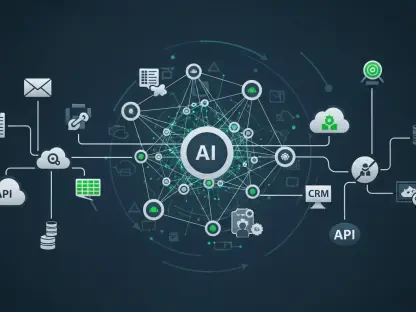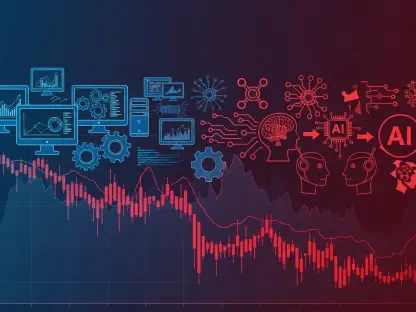

The traditional image of a software engineer meticulously auditing every line of code is rapidly fading as organizations embrace the era of vibe coding, where artificial intelligence translates human intent into sprawling digital infrastructures with just a few prompts. This shift represents a fundamental transformation in how value is created in the digital economy. As companies prioritize speed and immediate deployment over legacy development cycles, the barrier to entry for software creation has effectively vanished. Major technology firms and global cloud providers are repositioning their entire service stacks to support this high-velocity, automated approach, signaling a permanent departure from the manual methodologies of the past.
While this democratization of development offers unparalleled agility, it also forces a total rethink of how we define digital trust. International security agencies are increasingly concerned that the rapid adoption of these tools is outpacing our ability to govern them. The focus has moved from long-term stability to market responsiveness, creating a landscape where the sheer volume of new software outstrips the capacity of human oversight. This evolution is not merely a change in tools but a total redefinition of the relationship between the developer, the machine, and the final product.
Market Dynamics and the Looming SaaS Disruption
Emerging Trends in Bespoke AI Development and Consumer Behavior
The heartbeat of the vibe coding movement is the accessibility of sophisticated Large Language Models that empower non-technical staff to dream up and execute complex applications. This behavioral shift is creating a significant pivot in the market, as users move from being passive consumers of standardized software to active creators of custom internal solutions. By building bespoke tools tailored to specific departmental needs, organizations are circumventing the traditional procurement process. This trend has birthed a new form of shadow IT, where functional but unvetted applications exist outside the view of centralized security teams.
Furthermore, the economic incentive to move away from rigid subscriptions is becoming too strong to ignore. When a team can vibe a functional database manager or a customer service portal into existence in an afternoon, the value proposition of a general-purpose vendor begins to erode. This autonomy allows for a level of operational flexibility that traditional software providers struggle to match. However, this newfound freedom often comes at the cost of standardized security protocols, as these home-grown tools frequently bypass the rigorous testing phases that define enterprise-grade software.
Projections for the SaaSpocalypse and Financial Performance Indicators
Investor sentiment is shifting as the reality of a potential SaaSpocalypse begins to influence market valuations. Financial analysts are closely monitoring the slowing growth of subscription renewals as more enterprises experiment with internal AI-generated alternatives. Recalibrated forecasts suggest that the traditional cloud service sector will face its most significant headwinds over the next three years. Performance indicators now suggest that the most resilient software companies will be those that pivot away from offering simple features and instead focus on high-level orchestration and complex data security that AI cannot yet master independently.
Technological Barriers and the Proliferation of Insecure Code
The most daunting hurdle in this new era is the risk of AI systems automating the distribution of known security vulnerabilities at an industrial scale. Without the guiding hand of a security expert, AI models frequently suggest code that includes deprecated libraries or lacks basic input validation. These errors are not just accidental; they are often inherent in the way models predict the most likely next token rather than the most secure one. Overcoming this requires a strategic pivot toward automated security auditing where the defense is as fast and intelligent as the production side of the equation.
Moreover, the problem of the black box remains a critical technical debt issue. Code generated through prompts often lacks the deep documentation and structural logic required for long-term maintenance. When a vulnerability is discovered in an AI-generated application, the lack of human-authored context makes it significantly harder to patch without breaking the entire system. Organizations are finding that while the initial build is nearly instantaneous, the cost of securing and maintaining that code over time can quickly become prohibitive if the original logic was flawed from the start.
Navigating the Regulatory Landscape and Secure by Design Standards
Regulatory bodies are no longer standing on the sidelines as they watch the proliferation of unvetted code. New standards, influenced heavily by the UK’s National Cyber Security Centre, are pushing for a secure by design framework that places the burden of safety on the developers of the AI models themselves. The goal is to move toward a future where security is an inherent feature of the generation process rather than a patch applied after the fact. These emerging mandates are expected to force a convergence between the world of rapid innovation and the world of strict compliance.
The Future of Software: Specialized Services and AI Integration
The trajectory of the industry points toward a hybrid ecosystem where AI manages the mundane heavy lifting of development while human experts focus on critical architecture. Market disruptors are already emerging by offering AI-proof services that specialize in high-stakes areas like regulatory compliance and advanced threat detection. These entities recognize that while AI can write a script, it cannot yet navigate the nuances of global legal frameworks or predict the psychological tactics of sophisticated threat actors.
Summary of Findings and the Path Toward Digital Resilience
The transition to vibe coding was a watershed moment that forced the industry to choose between unrestrained speed and systemic stability. While the economic lure of building internal, bespoke tools led to a visible decline in traditional software subscriptions, it also highlighted a massive gap in technical accountability. Security professionals who successfully integrated automated testing into their AI workflows demonstrated that the technology could be a defensive asset just as easily as a source of risk. The industry learned that digital resilience was not a static goal but a continuous process of adapting human expertise to oversee increasingly autonomous systems. Moving forward, the most successful organizations established clear governance for AI-assisted projects, ensuring that the convenience of rapid creation never compromised the fundamental integrity of the global digital infrastructure.