
Empowering Households Against the Rising Tide of Digital Fraud
A single fraudulent phone call can dismantle years of financial planning and emotional stability for a vulnerable household in a matter of minutes. In an era where digital communication is constant, the threat of telemarketing fraud and sophisticated phone scams has reached an all-time high. For many families, the vulnerability of elderly relatives and children to these predatory tactics is a growing concern. Truecaller, a leader in caller identification, has recognized this shift and moved beyond individual security to provide a collective defense mechanism. By introducing advanced “Family Protection” features, the platform aims to shield entire households from the 7.7 billion fraud calls identified annually. This article explores how Truecaller is transforming from a simple caller ID app into a comprehensive security layer for the modern family.
The Evolution of Telemarketing Threats and the Need for Collective Defense
The landscape of phone-based fraud has evolved significantly from simple telemarketing to complex psychological manipulation. Historically, spam filters were designed for the individual user, leaving those less tech-savvy—such as the elderly or minors—to navigate risks on their own. Past developments in the industry focused primarily on reactive blocking, but as scammers adopted more aggressive methods, a foundational shift toward proactive intervention became necessary. Understanding this history is crucial because it explains why current trends are moving away from solitary protection and toward “guardian” models where family members can look out for one another.
A New ErActive Intervention and Family Safety
Leveraging the Administrator Model for Remote Protection
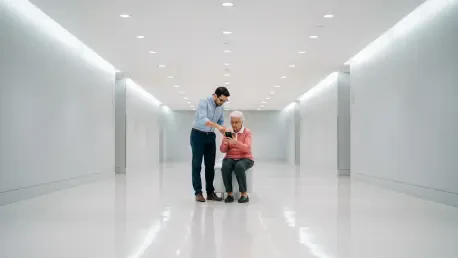
A critical aspect of Truecaller’s current strategy is the “Family Protection” feature, which allows a single tech-savvy user to act as an administrator for up to five family members. This model is supported by data showing that vulnerable populations are often hesitant to hang up on perceived authority figures used by scammers. By granting the administrator the power to receive real-time alerts when a family member is targeted, Truecaller adds a human layer of defense to the automated system. On Android devices, this goes a step further by allowing the admin to remotely disconnect a suspicious call, providing a direct intervention that can prevent financial loss before it occurs.
Integrating Safety Status Monitoring: Holistic Security
Beyond managing fraudulent calls, the platform has expanded to address general physical safety through status updates. Administrators on Android can monitor essential data points such as battery levels, silent mode status, and whether a family member is currently walking or driving. This comparative analysis of a user’s environment allows family members to make informed decisions about when to call, ensuring they do not distract a loved one during a potentially hazardous activity. While these features offer immense benefits in terms of safety, Truecaller balances them with privacy measures, ensuring that private SMS logs and non-spam call histories remain inaccessible to the administrator.
Global Perspectives: Addressing Privacy and Regional Regulatory Challenges
The complexity of global safety tools often involves navigating regional differences and regulatory hurdles. For instance, in India—Truecaller’s largest market—the government’s rollout of the Caller Name Presentation (CNAP) system presents a competitive challenge to traditional caller ID services. However, Truecaller maintains its edge by offering community-sourced context and proactive safety tools that basic carrier-verified names cannot provide. By addressing common misunderstandings about data privacy and emphasizing their “safety-first” methodology, the company seeks to maintain trust even as it introduces more disruptive, data-driven innovations.
The Future: AI-Driven Protection and Industry Shifts
As the market moves forward, the integration of Artificial Intelligence is set to become the primary shield against scams. Truecaller is developing AI assistants capable of transcribing and summarizing calls in real-time, specifically designed to detect and alert admins to “digital arrest” threats and other high-pressure tactics. While economic shifts and falling ad revenues have impacted the industry, the move toward high-utility, subscription-based safety features represents a strategic pivot. These technological and regulatory changes suggest that the future of phone security will rely less on static databases and more on dynamic, AI-powered behavioral analysis.
Actionable Strategies: Protecting Your Loved Ones
The major takeaway from Truecaller’s evolution is that protection is most effective when it is shared. For consumers, the best practice is to designate a “tech lead” within the family to manage safety settings and monitor alerts. Families should utilize the remote “hang-up” features where available and regularly review the safety status of elderly relatives’ devices. For professionals and businesses, these developments highlight the importance of community-sourced data in combating fraud. By applying these tools, users can transition from being passive targets to active participants in their family’s digital security.
Securing the Family Connection: A Strategic Summary
The shift from an individual utility to a family-centric safety platform demonstrated a permanent significance in collective digital defense. As scammers became more sophisticated, the ability to intervene on behalf of loved ones was no longer a luxury but a necessity. By combining human oversight with advanced AI and community data, the platform provided a robust defense against the billions of fraudulent attempts made every year. Ultimately, staying protected required a proactive approach, turning technology into a shared shield that kept the family circle safe. This transition toward collaborative security models ensured that even the most vulnerable users remained connected without the constant fear of exploitation.