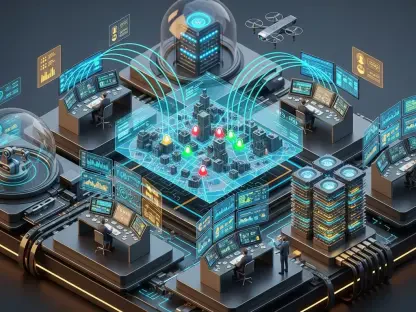

The rapid metamorphosis of the delivery sector has reached a critical tipping point where the physical movement of eight million couriers is now more valuable for the data it generates than the meals it transports. DoorDash is no longer just a logistics company; it has effectively pivoted into a sophisticated data-as-a-service provider through its innovative “Tasks” initiative. By mobilizing its massive workforce to capture real-world video and audio, the platform is bridging the gap between digital algorithms and the messy, unpredictable nature of physical reality. This shift marks the beginning of a new era where human labor serves as the foundational training ground for the next generation of artificial intelligence.
The Evolution of the Gig Economy: From Delivery to Data
For the past decade, the primary goal of gig platforms was the optimization of the last mile to ensure speed and efficiency. However, as machine learning matures, the industry has realized that high-quality, real-world data is the new bottleneck for progress. While digital information is easy to scrape, robots and autonomous systems require a deep understanding of physical nuances—such as how a door handle turns or how a specific hotel lobby is structured.
By leveraging a workforce already embedded in the local environment, DoorDash bypasses the need for expensive, controlled lab settings. This strategy allows the company to capture “ground truth” data at a scale previously thought impossible. Consequently, the courier is being redefined as a mobile sensor, providing the essential inputs that allow AI to navigate the complexities of daily life with unprecedented accuracy.
The Mechanics of Modern Micro-Tasking
Capturing Human Interaction for Machine Learning
The “Tasks” program functions by assigning Dashers specific micro-jobs that involve recording human movement and speech patterns. A worker might be asked to wear a body camera while performing household chores or to provide voice samples in various dialects. This raw data is then fed into computer vision and natural language processing models, teaching machines to recognize and replicate human behavior across diverse settings.
Streamlining Logistics and Autonomous Integration
Beyond training high-level AI, this initiative solves immediate, practical hurdles within the DoorDash ecosystem. Workers are tasked with documenting precise building entrances and photographing restaurant menus to improve navigation for future deliveries. Furthermore, couriers are now acting as a support system for autonomous vehicles, such as manually closing doors for Waymo cars, ensuring that automation can continue when hardware faces physical limitations.
Navigating Compensation and Regional Regulatory Walls
The financial structure for these assignments differs from the standard delivery model, offering upfront payments based on the complexity and effort required. While this transparency makes tasks attractive, the rollout is limited by legal constraints. The app remains unavailable in markets like California and Seattle, suggesting that the classification of “AI trainers” is a sensitive legal subject that the company is navigating with extreme caution as it expands.
Future Trends in Human-AI Workforce Synergy
Looking ahead, the gig economy will likely see a surge in specialized “task-based” labor focused on environmental mapping and behavioral analysis. As wearable technology and high-speed connectivity become standard, the granularity of data collected by couriers will increase from simple photos to real-time 3D spatial mapping. This evolution could create a high-tier class of gig workers who earn premium rates for providing high-fidelity data to various industries.
Actionable Insights for the New Gig Landscape
Businesses should observe this model as a blueprint for dual-purposing an existing workforce to meet the growing demand for AI training data. For the workers themselves, the transition offers a chance to diversify income streams while reducing the physical wear and tear on their vehicles. To succeed in this shifting landscape, couriers must prioritize technical proficiency and the ability to follow precise instructions for data capture, as these skills are becoming as essential as a clean driving record.
Redefining the Value of the Modern Courier
The transformation of the delivery model into an AI training partnership represented a fundamental shift in how human effort was valued within the digital economy. It proved that the true power of a distributed workforce lay in its unique access to the physical world, which machines could not yet navigate independently. This initiative successfully positioned the platform as a key player in the future of automation by utilizing human movement to refine machine intelligence. In the long term, these strategies provided a roadmap for how companies balanced the integration of autonomous systems with the necessity of human oversight. Organizations that adopted these hybrid models were better prepared for the eventual transition toward a fully automated infrastructure.