
The intricate process of photo editing, once the exclusive domain of professionals wielding complex software, is undergoing a profound transformation as artificial intelligence makes sophisticated tools accessible through simple, conversational commands. Google is at the forefront of this shift, significantly broadening the availability of its powerful natural language-based editing features within Google Photos. The company has announced the expansion of this capability to several new countries, including Australia, India, and Japan, following its initial launch for Pixel 10 users in the United States last August. This development marks a pivotal moment in consumer technology, empowering millions of new users to perfect their digital memories by simply describing the desired changes, effectively eliminating the steep learning curve associated with traditional editing sliders and menus. The move democratizes high-level photo manipulation, turning a once-tedious task into an intuitive and interactive experience for a global audience.
1. A New Era of Intuitive Photo Editing
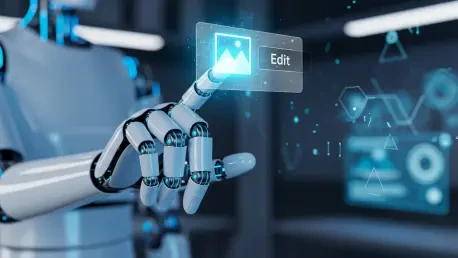
The core of this new functionality resides in the “Help me Edit” box, which now appears when users in the newly supported regions tap the edit option on a photo. This interface serves as a gateway to the AI’s capabilities, offering a choice between selecting from a list of contextually aware suggested prompts or typing a custom request in plain language. The power of this system lies in its versatility and specificity. Users can issue straightforward commands such as “remove the motorcycle in the background” to clean up a busy scene, “reduce the background blur” to bring a subject into sharper focus, or even more ambitious requests like “restore this old photo” to breathe new life into faded family heirlooms. The AI’s comprehension extends to remarkably detailed and nuanced edits, allowing users to alter a person’s pose, digitally remove their glasses, or even correct a poorly timed blink by having the model open their eyes. All of this is made possible by Google’s Nano Banana image model, which processes these transformations directly within the app, ensuring that edits can be performed seamlessly without requiring an active internet connection.
This significant expansion is not limited by hardware exclusivity, making the feature widely accessible across the Android ecosystem. The AI-powered editor will function on any Android device equipped with a minimum of 4GB of RAM and running Android 8.0 or a later version, ensuring that users beyond Google’s own Pixel lineup can benefit from these advanced tools. In a move that underscores a commitment to global inclusivity, Google is also introducing extensive language support beyond English. The feature will now be available in Hindi, Tamil, Marathi, Telugu, Bengali, and Gujarati, catering to a vast and linguistically diverse user base, particularly within India. This multilingual approach is critical, as it breaks down language barriers and makes the technology truly accessible to millions more users in their native tongues. By combining broad device compatibility with comprehensive language support, Google is ensuring that this powerful editing suite can be adopted and utilized on a massive international scale.
2. Broader AI Integration and Content Transparency
This rollout of natural language editing is a key component of a much larger, more aggressive strategy by Google to infuse artificial intelligence into every facet of the Google Photos platform. It is not an isolated update but rather the latest in a series of enhancements designed to make the service more intelligent, creative, and user-friendly. In November, the company broadened its AI-powered search capabilities to over 100 countries, with support for more than 17 different languages, allowing users to find specific photos using more complex and natural queries. Complementing this, Google also introduced AI templates that can instantly transform ordinary photos into various artistic styles, providing a quick and easy way to generate creative content. More recently, a playful “Meme me” feature was rolled out, enabling users to combine reference templates with their own images to effortlessly create viral-style memes. This consistent integration of AI demonstrates a clear vision for Google Photos as not just a storage service, but a dynamic and interactive hub for managing and reimagining personal media.
Alongside the expansion of these powerful creative tools, Google is also implementing crucial measures to promote transparency and address the growing concerns surrounding AI-generated content. The company is rolling out support for C2PA Content Credentials in Google Photos for the same new regions. This industry-standard metadata will be embedded in images, providing a clear and verifiable indicator of when a photo was created or significantly altered using artificial intelligence. This initiative comes at a critical time, as social media platforms and the public at large grapple with the challenge of distinguishing authentic images from AI-edited ones. By adopting credentials like C2PA, Google is providing users with the necessary context to understand what they are looking at, helping to foster a more informed and trustworthy digital environment. This commitment to transparency is an essential step in responsibly deploying AI technologies and empowering users to critically evaluate the visual content they encounter daily.
The Path Forward for AI in Photography
The expansion of Google’s AI-driven photo editor marked a significant milestone in the evolution of digital photography for consumers. This initiative fundamentally altered the user experience by shifting the paradigm from technical proficiency with complex software to simple, conversational interaction. It was a clear demonstration of how advanced technology could be harnessed to democratize creativity, placing powerful editing tools into the hands of anyone with a compatible smartphone. The inclusion of multiple languages and support for a wide range of devices ensured that this transformation was not confined to a niche market but was made available on a global scale. This move, combined with a commitment to content transparency through C2PA credentials, established a new standard for the responsible deployment of AI in personal media. It ultimately paved the way for a future where technology served not as a barrier, but as a seamless and intuitive partner in the creative process.