
The disconnect between aesthetic intent and functional implementation has plagued digital product teams for decades, but the recent integration of Figma’s Model Context Protocol with OpenAI’s Codex suggests that these formerly distinct worlds are finally merging.
The Dawn of the “Builder” Era in Digital Product Development
Traditional handovers often foster friction and misunderstandings, slowing down the development cycle. Figma’s strategic integration of OpenAI’s Codex via the Model Context Protocol (MCP) creates a unified workspace where design and code coexist. This dismantling of silos transforms how products are conceived in an AI-driven market.
Bridging the Chasm: How AI Reconfigures the Designer-Engineer Relationship
Beyond Static Mockups: The Seamless Flow of the Model Context Protocol
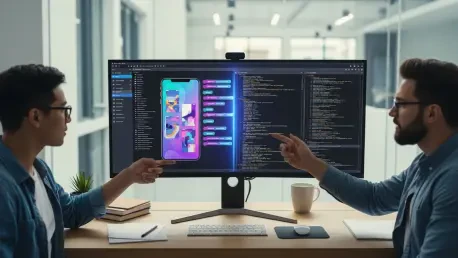
Integrating Codex directly into Figma’s canvas replaces the “inspect” workflow with real-time logic. By leveraging the MCP, teams maintain a live link between assets and code, reducing the “translation tax.” This synergy suggests a future where design files serve as the actual codebase.
Democratizing Development and the Rise of the Full-Stack Creator
Lowering coding barriers allows designers to test logic while engineers refine aesthetics. This “builder” mentality focuses on the product rather than specific titles. Recent data shows a surge in Codex adoption, marking a shift toward versatile, hybrid construction methods.
The Generative Arms Race: Figma, OpenAI, and the Evolving Toolchain
Figma’s move signals a trend toward proactive, intelligent design platforms. Competition now centers on “contextual awareness” for developers rather than just vector tools. Generative AI forces legacy platforms to adapt as AI-generated boilerplate becomes the industry standard.
From Pixel Perfection to Logic-Driven Design Systems
The fusion of design and code redefines systems as logic-aware components rather than simple UI kits. This evolution introduces challenges in version control and ownership. Success depends on prioritizing shared AI environments over rigid disciplinary boundaries.
Strategies for Navigating the New Design-to-Code Workflow
Organizations must move beyond the “handoff” mindset and treat design and code as a single thread. Leaders should upskill teams in AI literacy to ensure designers understand logic while engineers engage in UX. This required a focus on high-level architecture, leaving repetitive tasks to AI.
Synthesizing Logic and Creativity for a Unified Future
The partnership represented a fundamental shift in digital creation. Ending the isolation of the design file paved the way for efficient building. As roles faded, the industry embraced a hybrid future where innovation was limited only by collective imagination.