
Vijay Raina is a seasoned expert in the world of enterprise SaaS and software architecture, bringing a deep understanding of how technical frameworks translate into user-facing innovation. With years of experience analyzing software design, Vijay provides a unique perspective on the intersection of generative AI and mobile operating systems. In this conversation, we delve into the latest developments from the iOS 27 developer beta 3, exploring how Apple is transforming Siri from a static assistant into a customizable, expressive persona. Our discussion covers the technical significance of the new pace and expressivity controls, the competitive landscape shaped by OpenAI’s voice developments, and the practical challenges users face as these complex AI systems are integrated directly into the heart of their devices.
How do the new customization controls found in the latest developer beta represent a fundamental shift in how we perceive Siri compared to its earlier iterations?
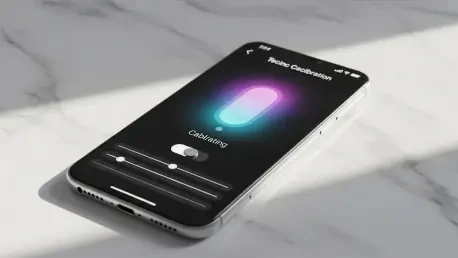
The move from the initial developer beta to iOS 27 beta 3 marks a significant technical milestone where the “Pace” and “Expressivity” sliders have transitioned from “Coming soon” placeholders to active, functional tools. For over a decade, we were accustomed to a relatively rigid assistant, but these new controls allow testers to fine-tune the speed and emotional weight of Siri’s voice to a degree we haven’t seen before. When you adjust these sliders, the system provides immediate sensory feedback by having Siri practice phrases like “You have one new message,” allowing the user to hear the nuance of the human-like emotion being conveyed. This isn’t just about choosing between a male or female accent anymore; it’s about sculpting a digital personality that fits the user’s specific conversational rhythm. By rebuilding the assistant around generative AI, Apple is finally moving away from pre-recorded fragments toward a fluid, dynamic interaction that feels far more personal and natural.
Given that competitors have been refining voice warmth and enthusiasm for some time, how does Apple’s current trajectory with these sliders compare to the broader industry standards for AI personality?
Apple is entering a very competitive arena where OpenAI set a high benchmark back in December 2025 by rolling out options to adjust warmth, enthusiasm, and overall style. While Siri now offers sliders for pace and emotion, ChatGPT’s voice options allow for more distinct personas—ranging from professional and candid to quirky or friendly—which actually changes how the information is structured and presented. Apple’s approach, however, focuses on deep system integration, making these expressive voices accessible through the Dynamic Island, the side button, or even a brand-new standalone Siri app. It’s clear that Apple is trying to bridge the gap between a utility tool and a companion by giving users the power to make the AI sound less robotic and more empathetic. The goal here is to help users connect with the technology on a more human level, ensuring the assistant’s tone matches the professional or casual context of the task at hand.
What are the technical hurdles or user experience risks you see with such deep AI integrations, particularly with the reports of data indexing and access issues in the latest update?
Integrating a generative AI model so deeply into an operating system is a massive undertaking that often leads to temporary friction, as seen with some testers on X reporting that they lost access to the new Siri after updating to beta 3. A common hurdle during these updates is the “indexing” phase, where the phone must reorganize and process data to optimize the AI for search and personal context. This is a resource-heavy action that can temporarily impact performance or make the assistant feel unavailable while the system re-calibrates its internal logic. Beyond these technical growing pains, even minor aesthetic changes, like the updated Reminders app icon, show that Apple is touching every corner of the OS to accommodate this new intelligence. For users, the trade-off for a more expressive and capable Siri is navigating these early-stage bugs where the assistant might need a moment to “learn” the device’s data before it can function at full capacity.
What is your forecast for the future of AI-human vocal interaction?
I believe we are rapidly approaching a point where the vocal nuances of an AI assistant will be virtually indistinguishable from a human being, with the “Expressivity” sliders we see today being just the first step. Within the next few years, I expect these systems to move beyond manual sliders and instead use situational awareness to automatically adjust their tone, sounding urgent during an emergency or soft-spoken during late-night interactions. The integration we see now with the Dynamic Island and standalone apps suggests a future where the AI isn’t just a voice in a box, but a persistent, emotionally intelligent presence across all our hardware. We are moving toward a world where your device doesn’t just read data to you, but communicates with a level of empathy and professional poise that was previously the exclusive domain of human assistants.