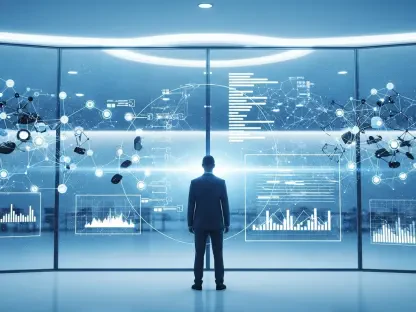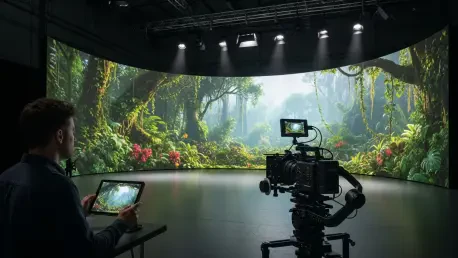

The boundary between a complex cinematic vision and a finished digital sequence has effectively vanished as natural language replaces the mouse and keyboard as the primary steering mechanism for high-end video production. We are witnessing a fundamental recalibration of the creative economy, where the traditional friction of technical execution no longer dictates the quality of the output. As generative models become more sophisticated, the focus has shifted from the labor-intensive mechanics of frame-by-frame editing to the high-level art of conceptual orchestration.
The New Frontier of Digital Content and the Democratization of Creation
The transition from manual editing to prompt-based synthesis marks the end of an era where technical mastery acted as a gatekeeper for professional storytelling. Historically, producing a high-fidelity video required a deep understanding of complex software architectures and years of specialized training. Today, the creative intent of the individual takes center stage, allowing anyone with a clear narrative vision to bypass the steep learning curves that once marginalized small creators and independent businesses.
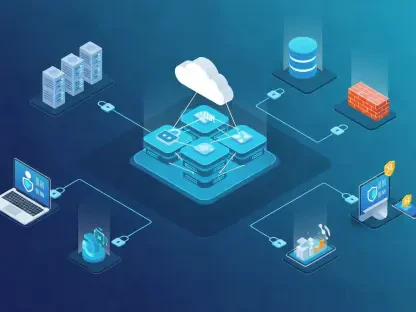
The current text-to-video ecosystem is a layered landscape ranging from lightweight browser-based generators to massive enterprise platforms capable of rendering high-definition, physics-compliant sequences. This environment is supported by a robust network of technology stakeholders, including specialized AI developers who refine large-scale diffusion models and cloud infrastructure providers who supply the immense computational power required for real-time rendering. This synergy is redefining the boundaries of cinematography and marketing by making visual excellence a commodity rather than a luxury.
Emerging Market Dynamics and the Trajectory of Generative Media
Technological Catalysts and Shifting Consumer Behaviors
Natural language has matured into a sophisticated interface, turning prompt engineering into a critical skill set for the modern digital workforce. Professionals are no longer clicking through menus; they are describing lighting conditions, camera angles, and emotional subtexts to guide AI agents toward specific aesthetic goals. This shift aligns with a rising consumer appetite for dynamic, high-impact short-form content that dominates social media feeds and demands a constant supply of fresh imagery.
The rise of assisted synthesis has particularly empowered non-technical storytellers who previously lacked the budget for traditional production houses. Small businesses are now able to compete with global brands by utilizing hyper-personalization at scale. Instead of a single generic advertisement, a brand can now generate thousands of bespoke video variations tailored to the specific cultural or demographic nuances of different audience segments in real-time, significantly increasing engagement rates.
Market Projections and Performance Indicators
Financial indicators suggest a massive surge in the valuation of the generative media sector, with venture capital pouring into startups that specialize in temporal consistency and neural rendering. The most compelling metric for the enterprise is the radical reduction in the cost-per-minute of video production. What once required a five-figure budget for a thirty-second animation can now be achieved for a fraction of that cost, allowing for more experimental and iterative marketing strategies.
Adoption rates are climbing across diverse sectors, with the education and corporate training industries leading the charge. By converting static training manuals into interactive, AI-generated video modules, organizations have seen marked improvements in information retention. In the entertainment sector, independent filmmakers are using these tools to create high-fidelity storyboards and proof-of-concept trailers that were previously impossible to fund without major studio backing.
Navigating Technical Constraints and Ethical Complexity
Despite rapid progress, the industry still grapples with the uncanny valley, where subtle glitches in character physics or facial expressions can break the viewer’s immersion. Maintaining temporal consistency—the ability of an AI to keep a character looking identical from one shot to the next—remains a technical hurdle that developers are aggressively tackling through improved transformer architectures. These visual artifacts serve as a reminder that the technology is still in a phase of aggressive refinement.
Intellectual property concerns represent a more abstract but equally daunting challenge. The industry is currently navigating a complex legal landscape regarding the ownership of AI-generated assets and the ethical implications of using copyrighted material for model training. This dilemma has led to the emergence of ethical AI initiatives that prioritize licensed datasets, ensuring that the global creator economy remains sustainable and that original artists are compensated for their influence.
The Regulatory Framework and Global Compliance Standards
Legislative bodies are moving quickly to establish copyright jurisprudence that distinguishes between machine-generated noise and human-directed AI authorship. Recent legal trends suggest a push toward a hybrid model where the degree of human intervention determines the level of copyright protection afforded to a work. Furthermore, global data privacy regulations like GDPR are forcing developers to be more transparent about the visual data they ingest, ensuring that the path to realism does not compromise individual privacy rights.
Industry self-regulation is becoming the norm through the adoption of content credentials and metadata standards. By embedding invisible watermarks into synthetic media, platforms can help users distinguish between authentic footage and AI-generated content, a crucial step in mitigating the risks of deepfakes and misinformation. For corporate environments, these transparency protocols are essential for maintaining brand safety and meeting the rigorous standards of ethical advertising.
The Future Landscape of Augmented Cinematography
The next phase of this evolution lies in real-time interactive storytelling, where narratives are not just watched but actively shaped by the viewer. We are moving toward a future where a script can be translated into a choose-your-own-adventure visual experience on the fly, with the AI generating new scenes in response to user input. This will likely converge with spatial computing, providing a constant stream of high-quality assets for augmented and virtual reality environments that require vast amounts of content to feel truly immersive.
As production latency continues to drop, the end of the traditional rendering wait time is in sight. We are approaching a point where entire feature-length sequences could be rendered as quickly as they are written. However, even as the machine handles the heavy lifting of visual construction, the value of human intuition will only increase. The ability to infuse a story with emotional resonance and strategic meaning will remain the exclusive domain of the human creator, ensuring that technology serves as an amplifier for the human spirit.
Summarizing the AI Creative Shift and Strategic Outlook
The analysis indicated that the integration of AI into visual storytelling succeeded in removing the most significant barriers to professional media production. Stakeholders recognized that the most successful ventures were those that treated artificial intelligence as a collaborative partner rather than a total replacement for human labor. This shift fostered a more inclusive creative ecosystem where the power of an idea finally outweighed the size of a production budget.
Strategic investments moved toward workflow integration and the development of ethical AI frameworks that prioritized transparency and authorship. By addressing the technical limitations of temporal consistency and the legal complexities of intellectual property, the industry laid a foundation for sustainable growth. The transition from manual crafting to assisted synthesis proved to be the most significant jump in creative methodology since the birth of digital editing, forever changing how stories are told and consumed.